
I am obsessed with memories. I’m very sentimental and look back at my life with wonder, especially when I pore over old photos, taking in every detail. My mother’s dress, the vastness of our garden which I would never be able to match my whole adult life, our neighbour John who died only recently in his 90s. I am an only child with no children. Who will look at the photos my parents, friends and relatives took when I am gone? Will my life end up in a box on the tarmac at a car boot sale?
Looking through boxes of photos in antique markets and junk shops, I decided to attempt to give new life to the photos of others. To honour the moment the shutter opened and shut on the lives of people I will never know but for these fragments. These wonderful moments when life stopped and people posed, giving us the opportunity to step into the lives of others and use our imagination to create our own narratives stimulated by what we see. They will be interspersed with photos of my life which will have detailed captions. I have added any detail I have discovered on the back of the found photos but unfortunately it’s often very little.
Most importantly, I would love to reunite the photos with their families. This could be a million-to-one dream, but amazing things can happen. The clues are there – not just in the faces – but in the details, the landscapes, the buildings and even the pets.
I will add new photographs regularly. I hope you enjoy looking through them as much as I do.
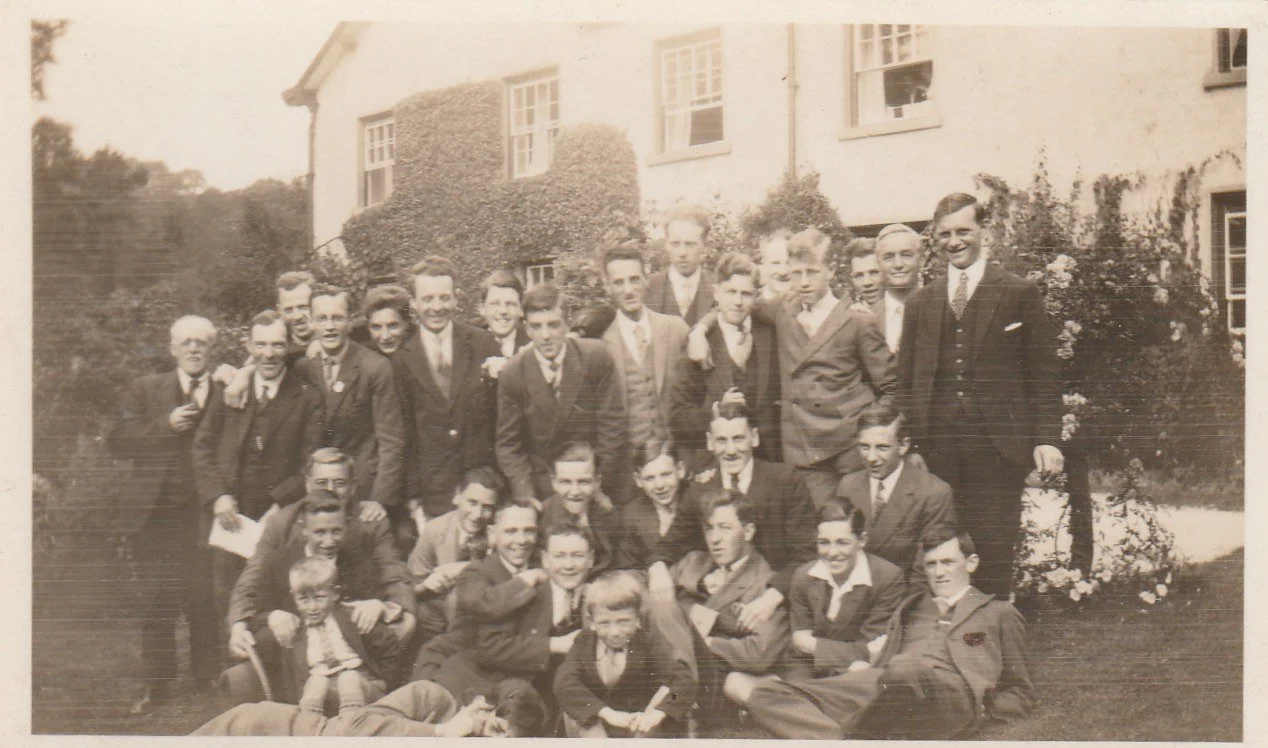
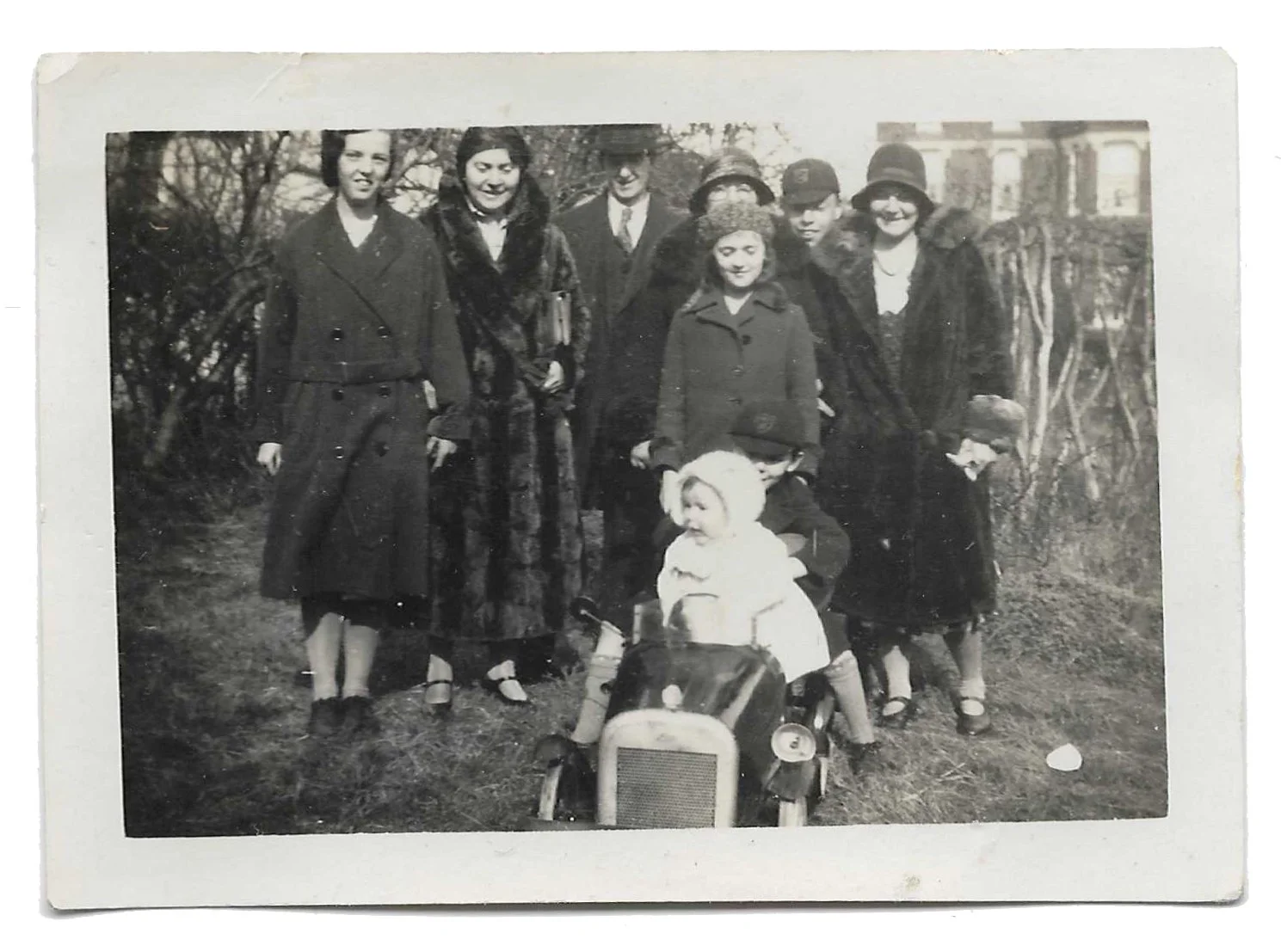
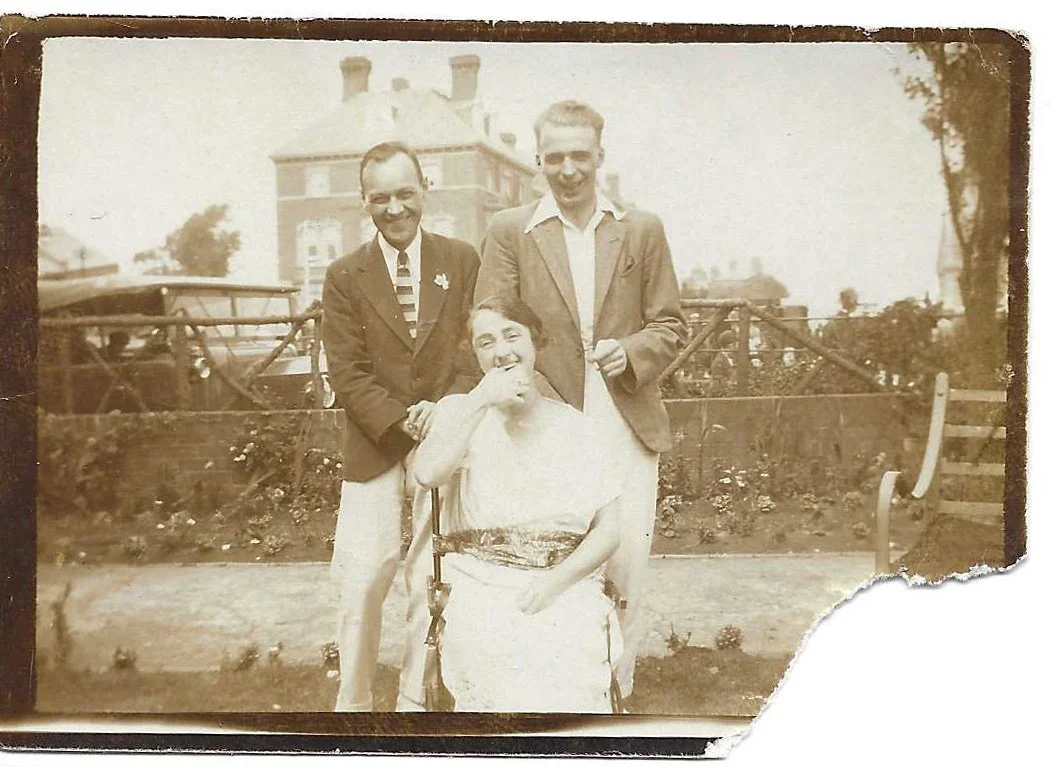
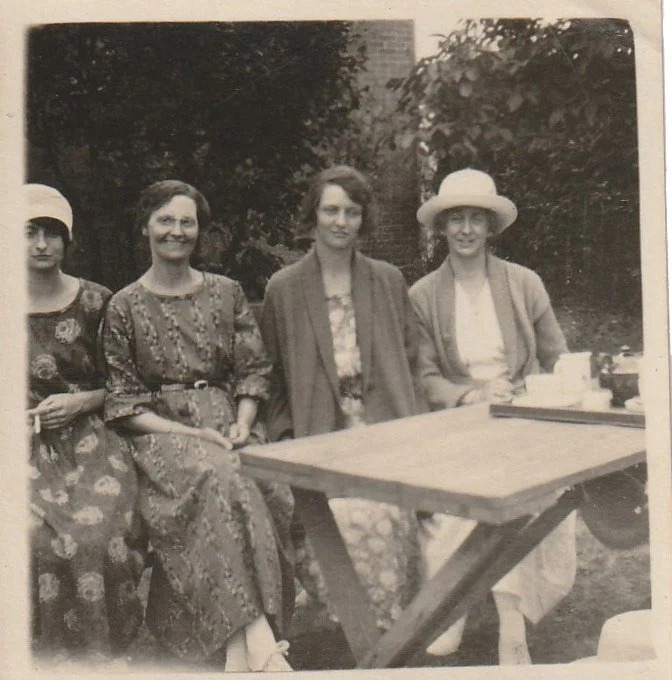
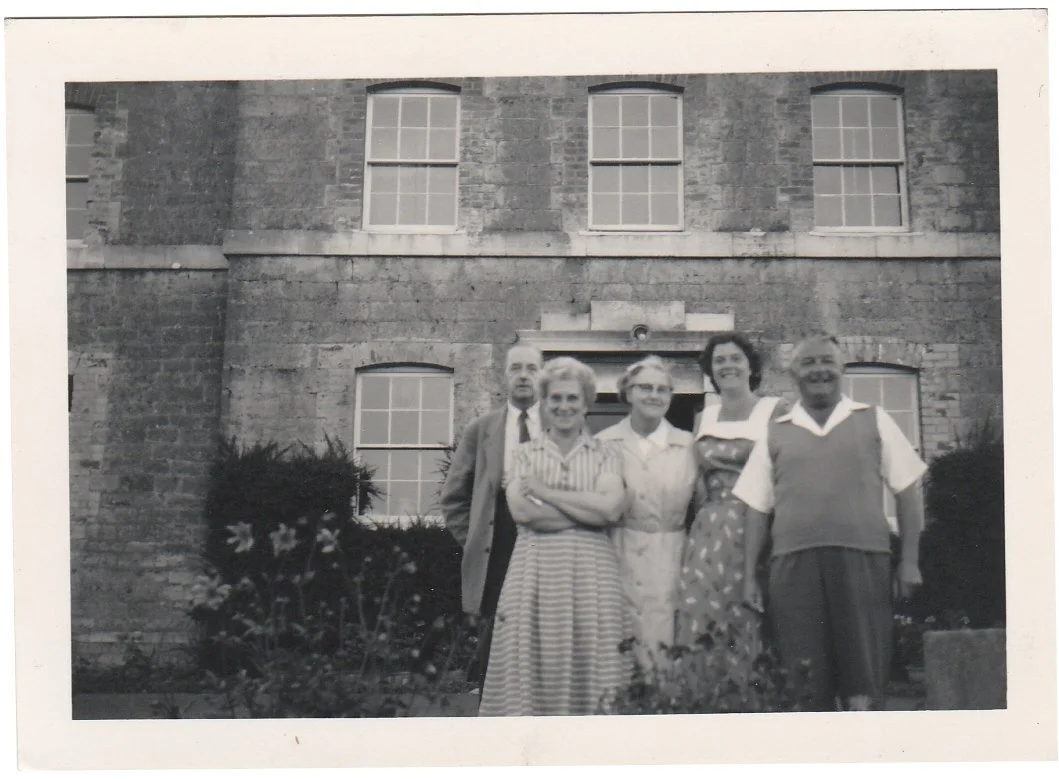
The pencil captions on the back of these photos record that they were taken at Kents Bank in Cumbria in July 1928. A bit of research on Kents Bank and the building in the photos reveal that this is Kents Bank House. I’m now thinking that what binds these people together isn’t necessarily family but spiritual belief as the building operated as a Christian retreat centre at this time.
Prior to the major expansion brought by the railway, the building served as an historic local inn that accommodated travelers and wayfarers arriving from Hest Bank across the perilous over-sands route of Morecambe Bay. Throughout the 19th century, the building transitioned between residential and educational uses, operating as a private school during parts of the Victorian era. By the early 20th century, it was utilized as a holiday or Christian retreat center (such as a Wesleyan or Methodist associated facility) hosting large groups of visitors enjoying views across the bay. Today, parts of the historic estate have been adapted into private residential and split properties while retaining their protected architectural features. The property was officially designated as a Grade II Listed building by Historic England on May 2, 1975, offering it legal protection under UK heritage laws.
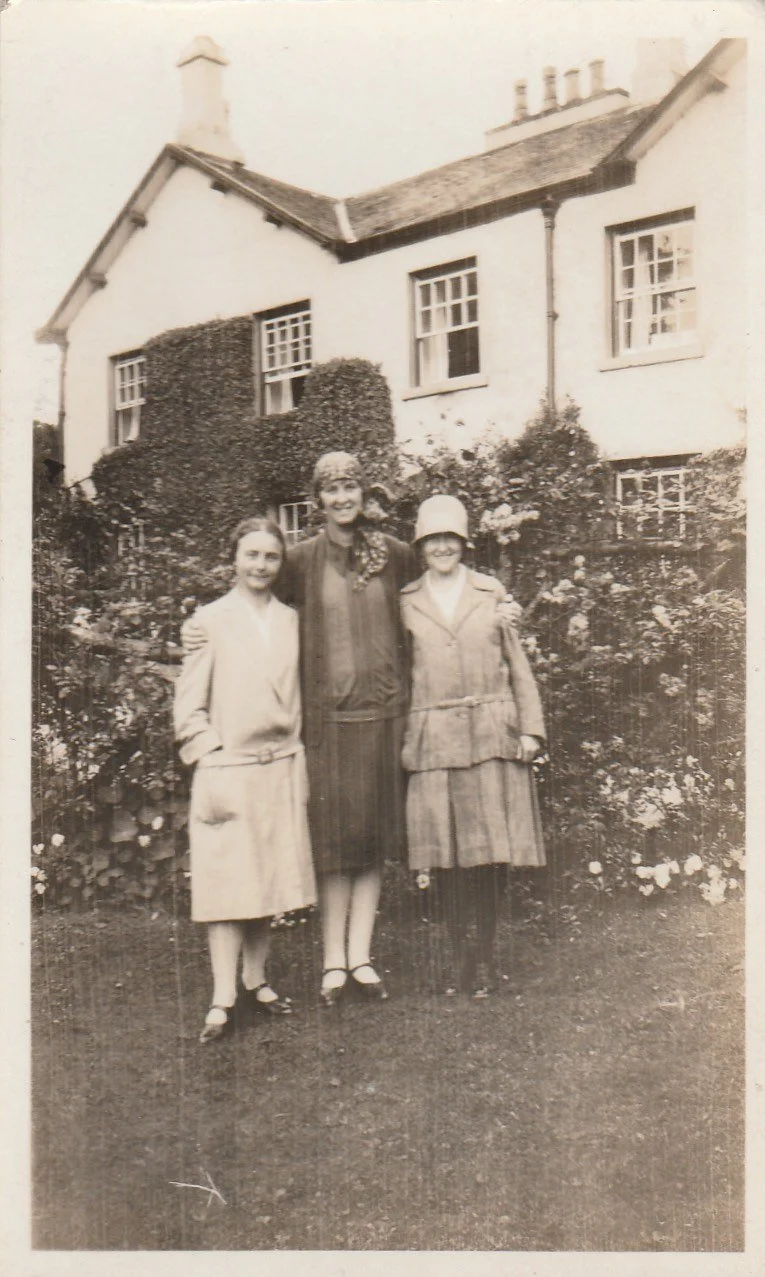
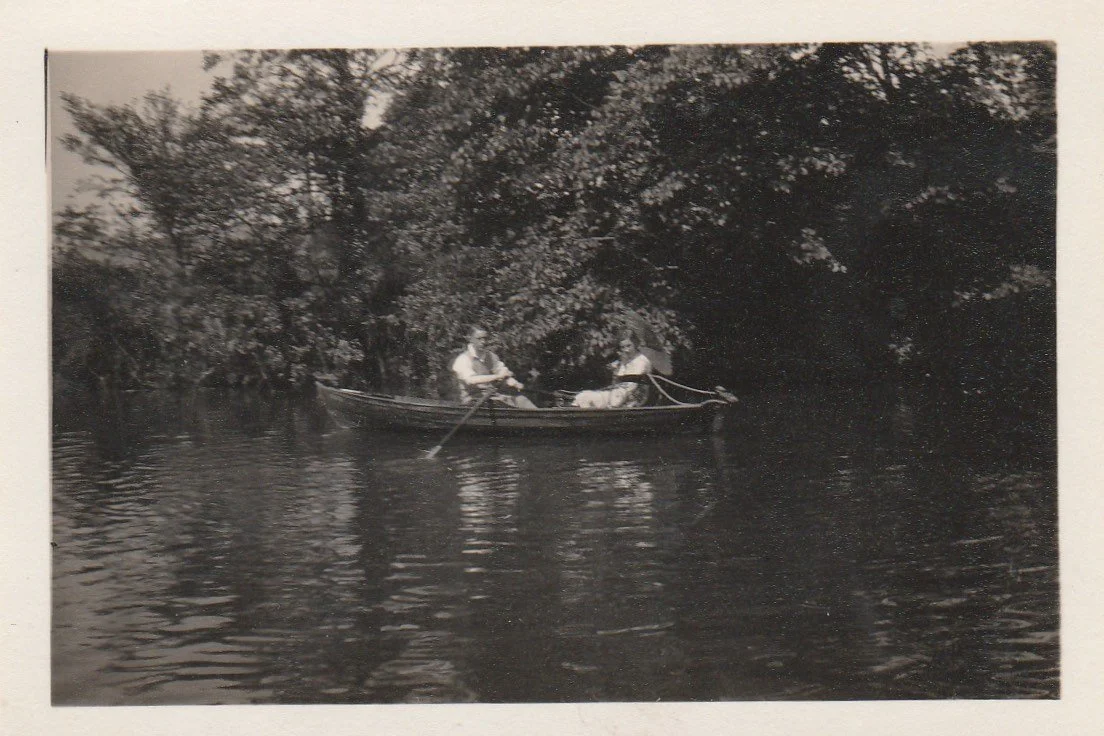
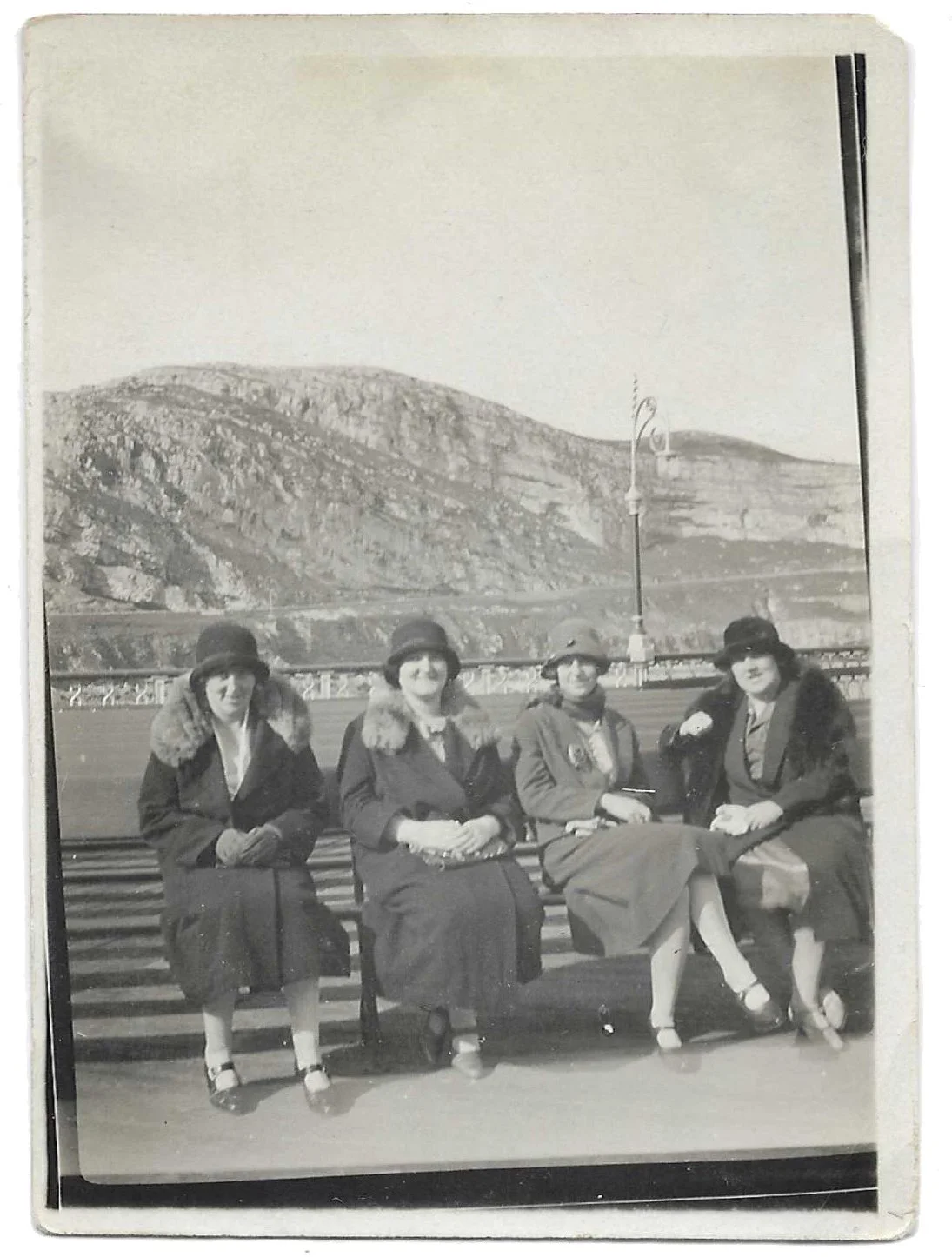
Minnie, Enid, a friend, Kathleen
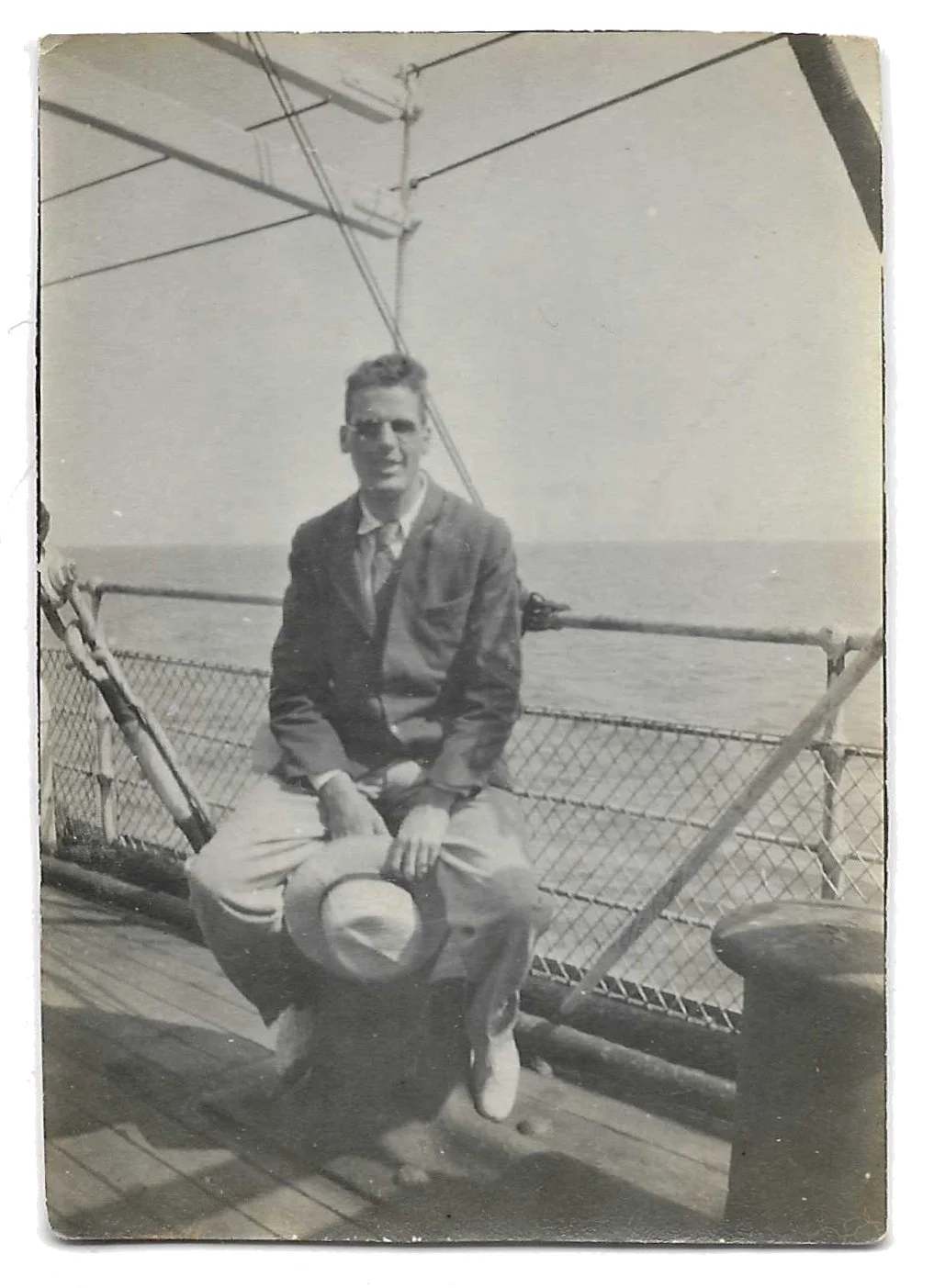
Sailing down the Red Sea March/29
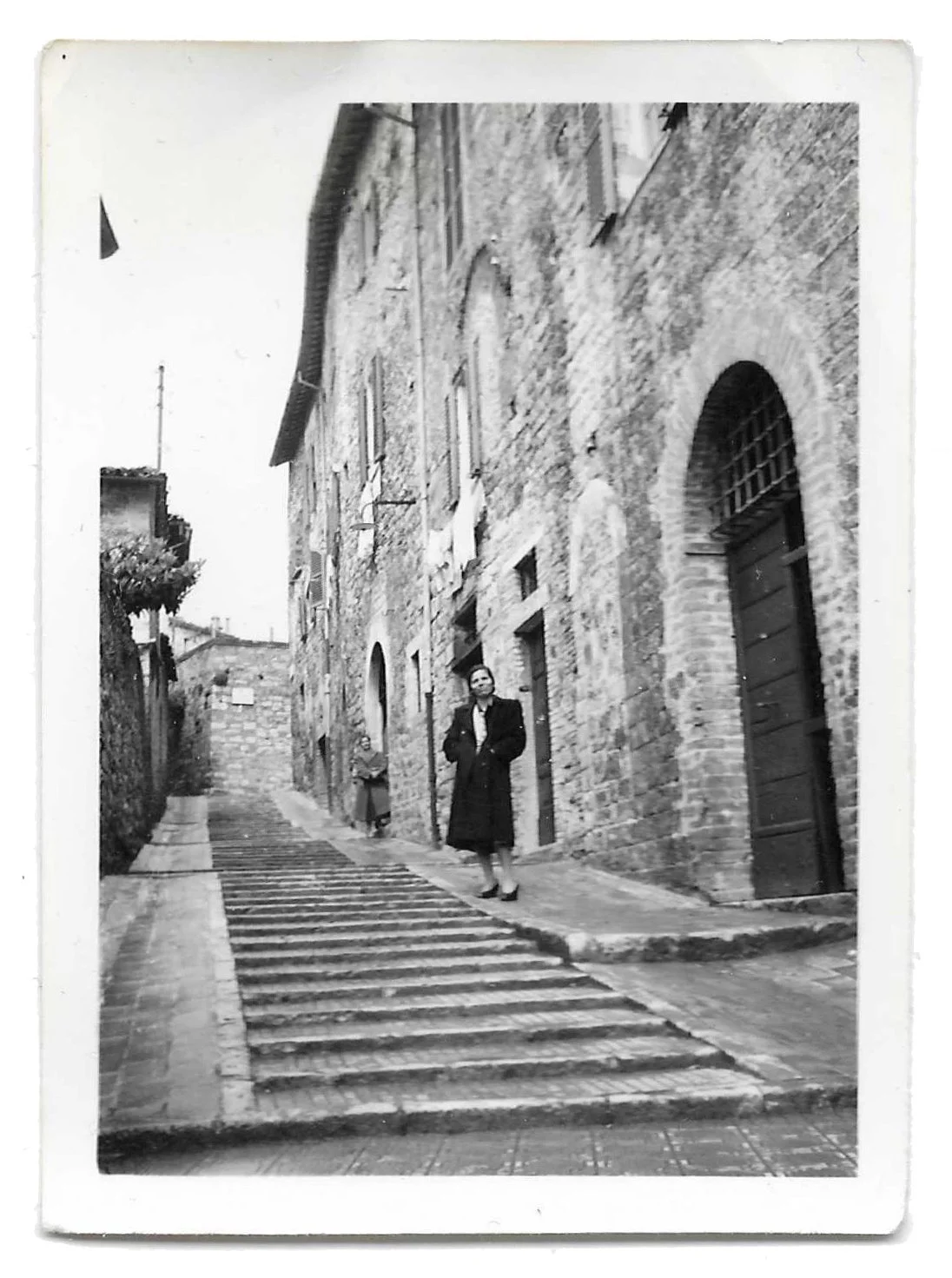
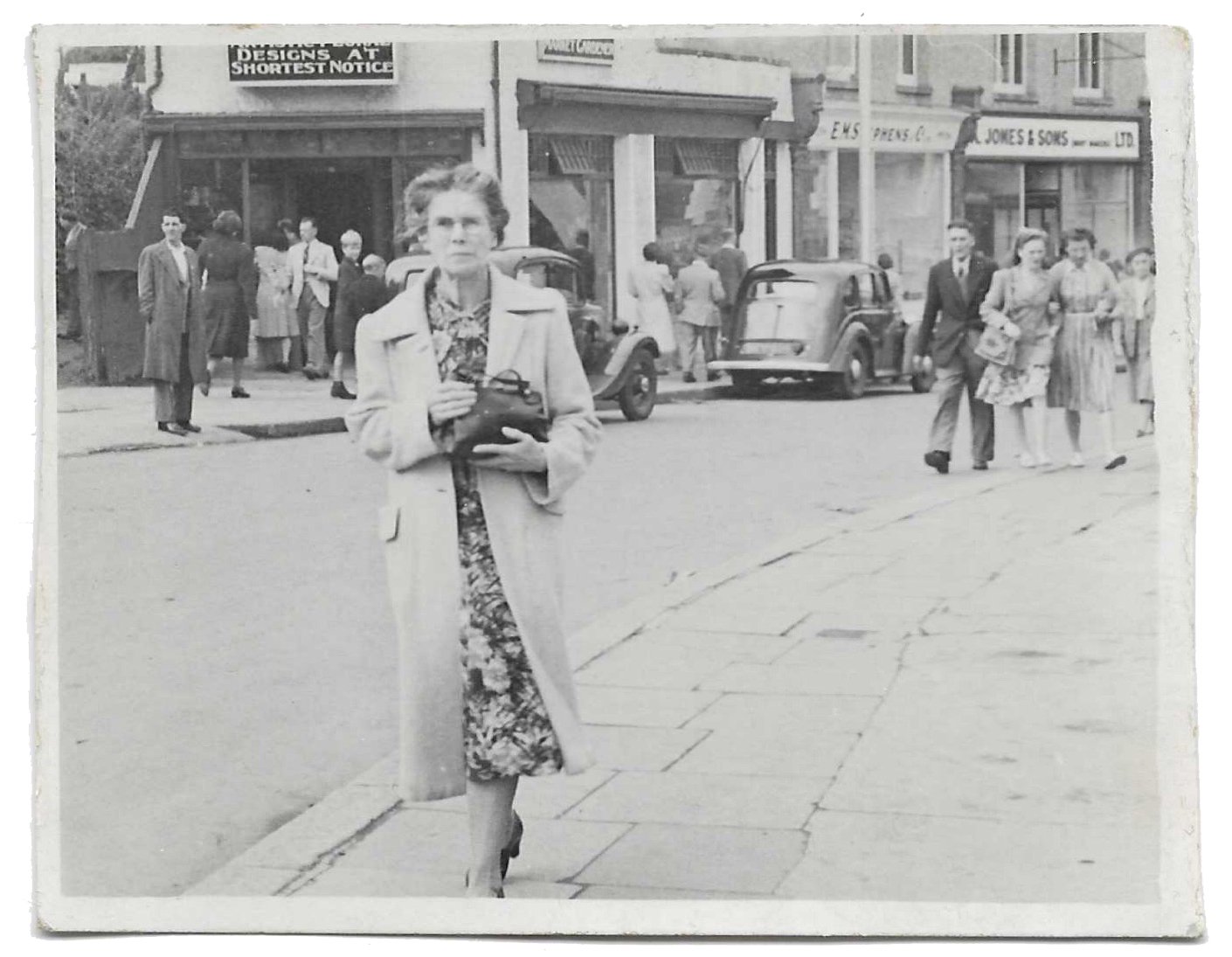
Aunt Beat Knight (Mary's mother)
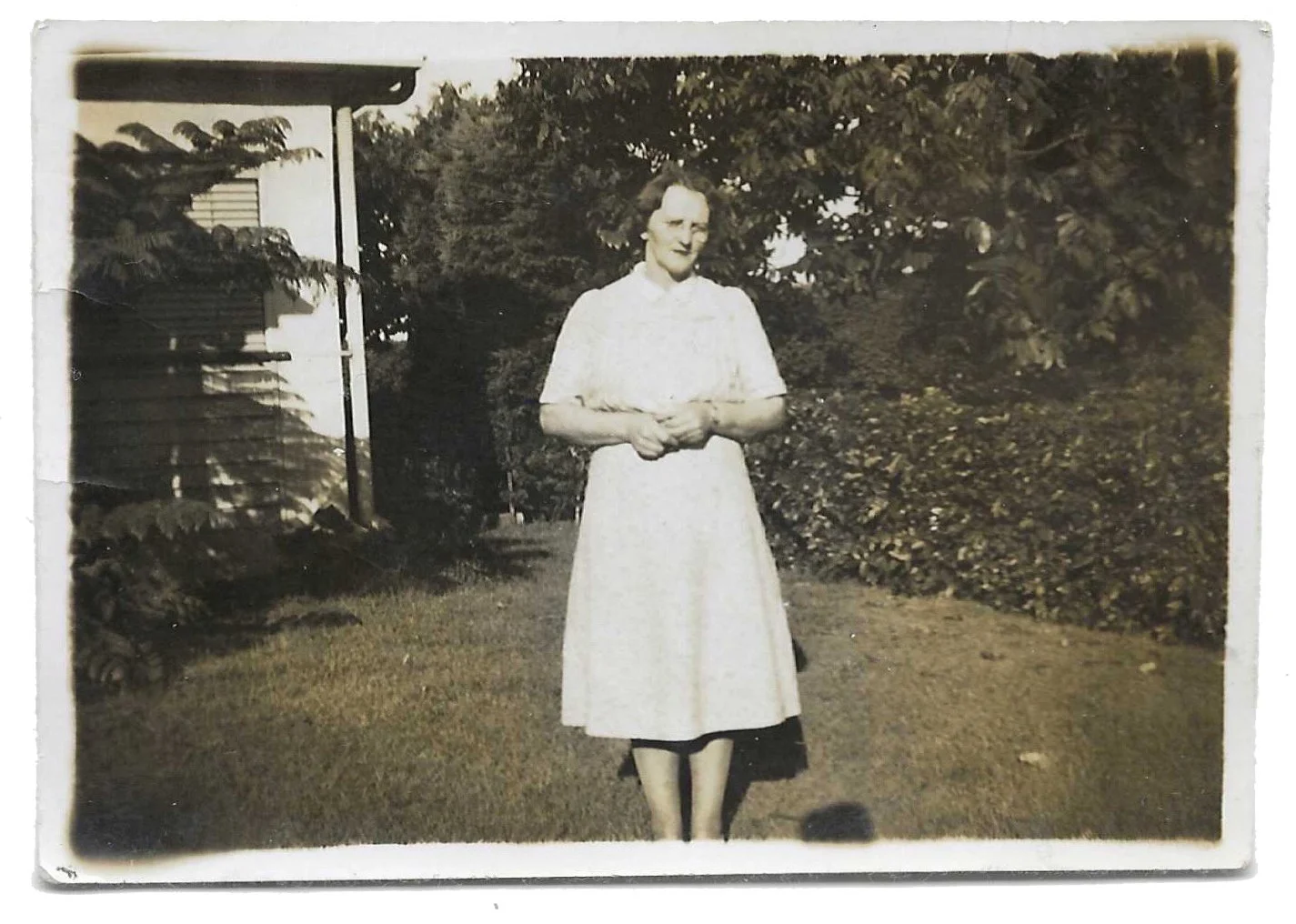
Only a snap of ME. Taken a couple of years ago. 25.3.46
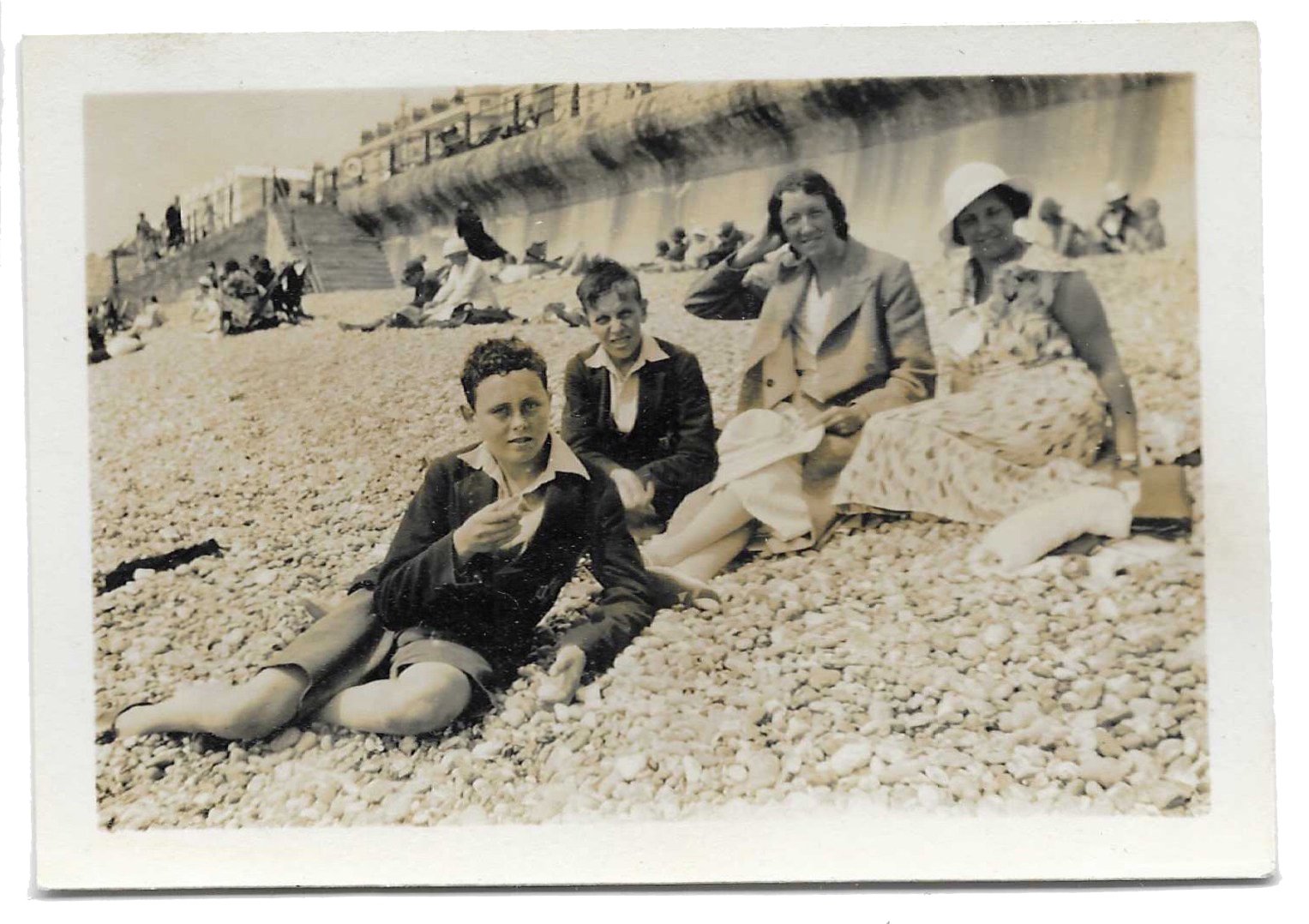
St Leonards Aug 1934
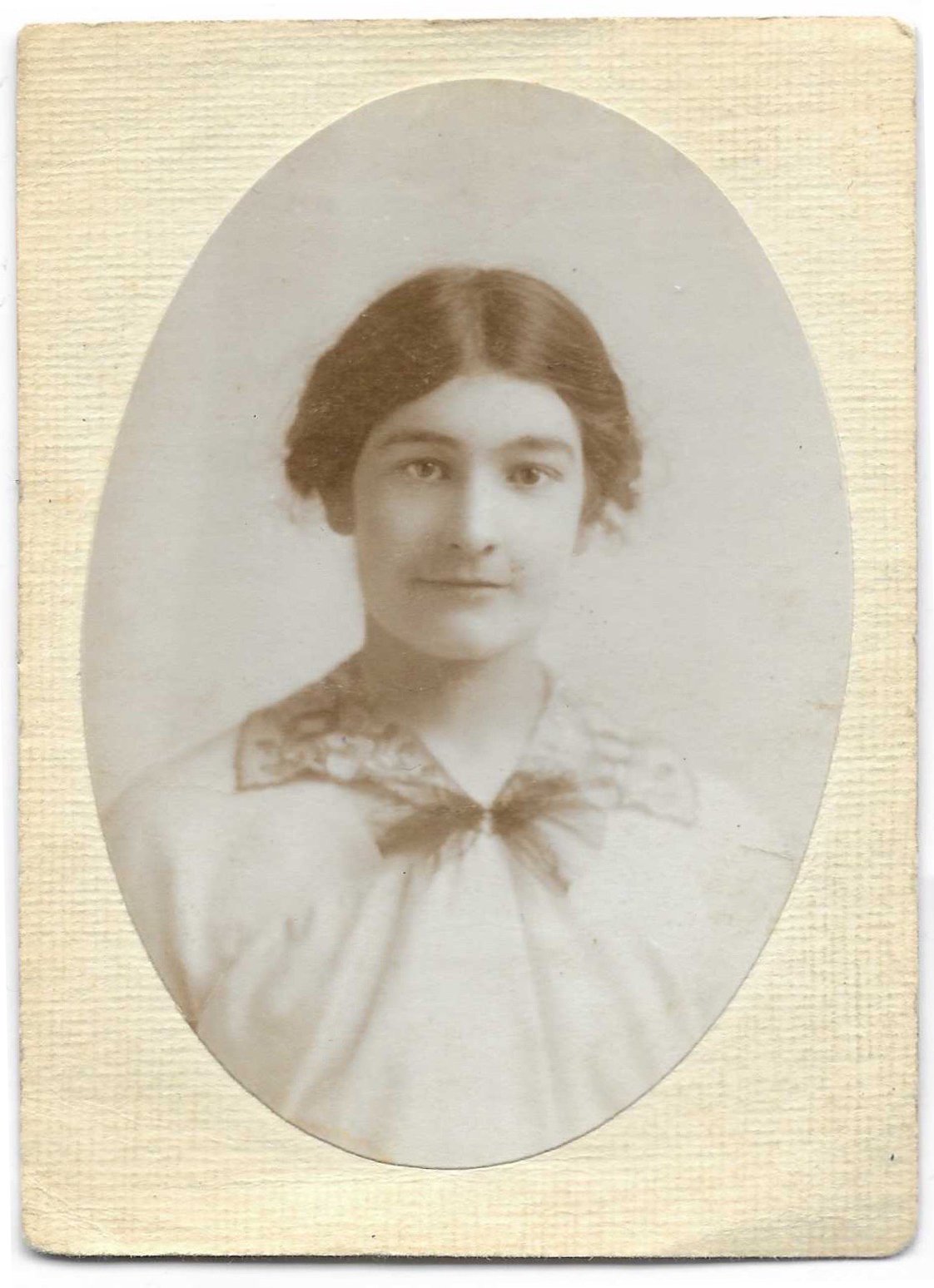
1913 Maud Morley
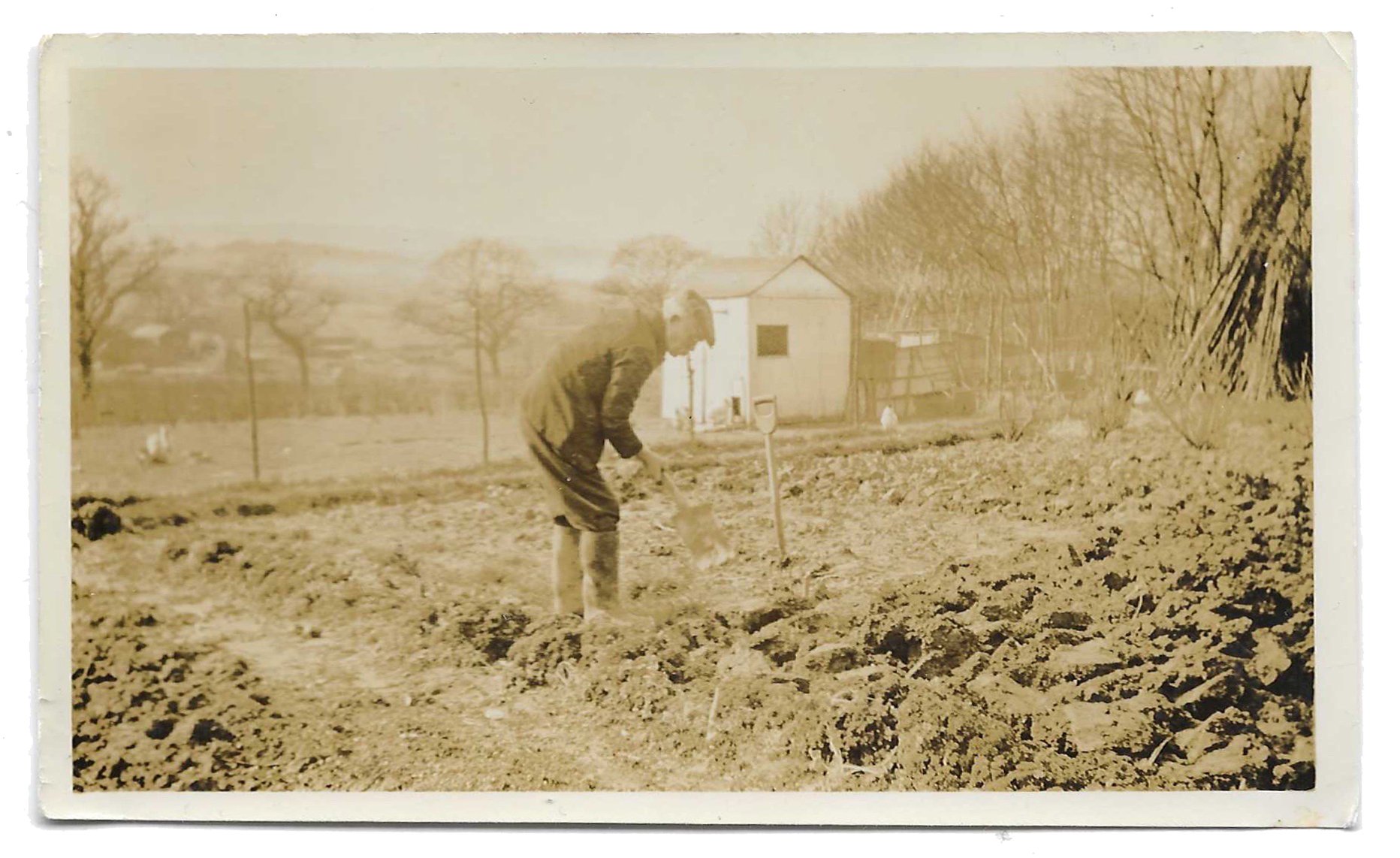
Hard going 1935
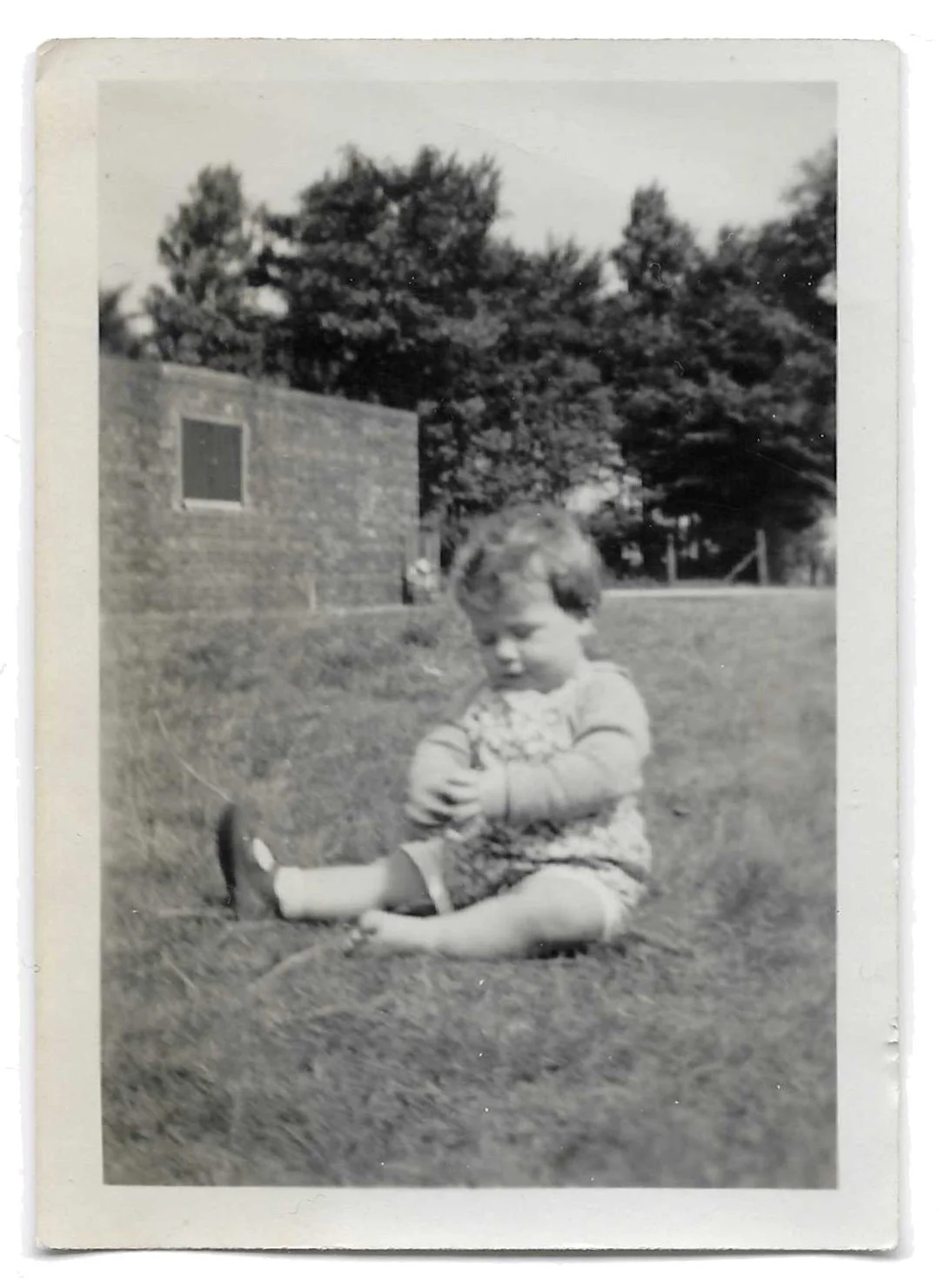
Stephen
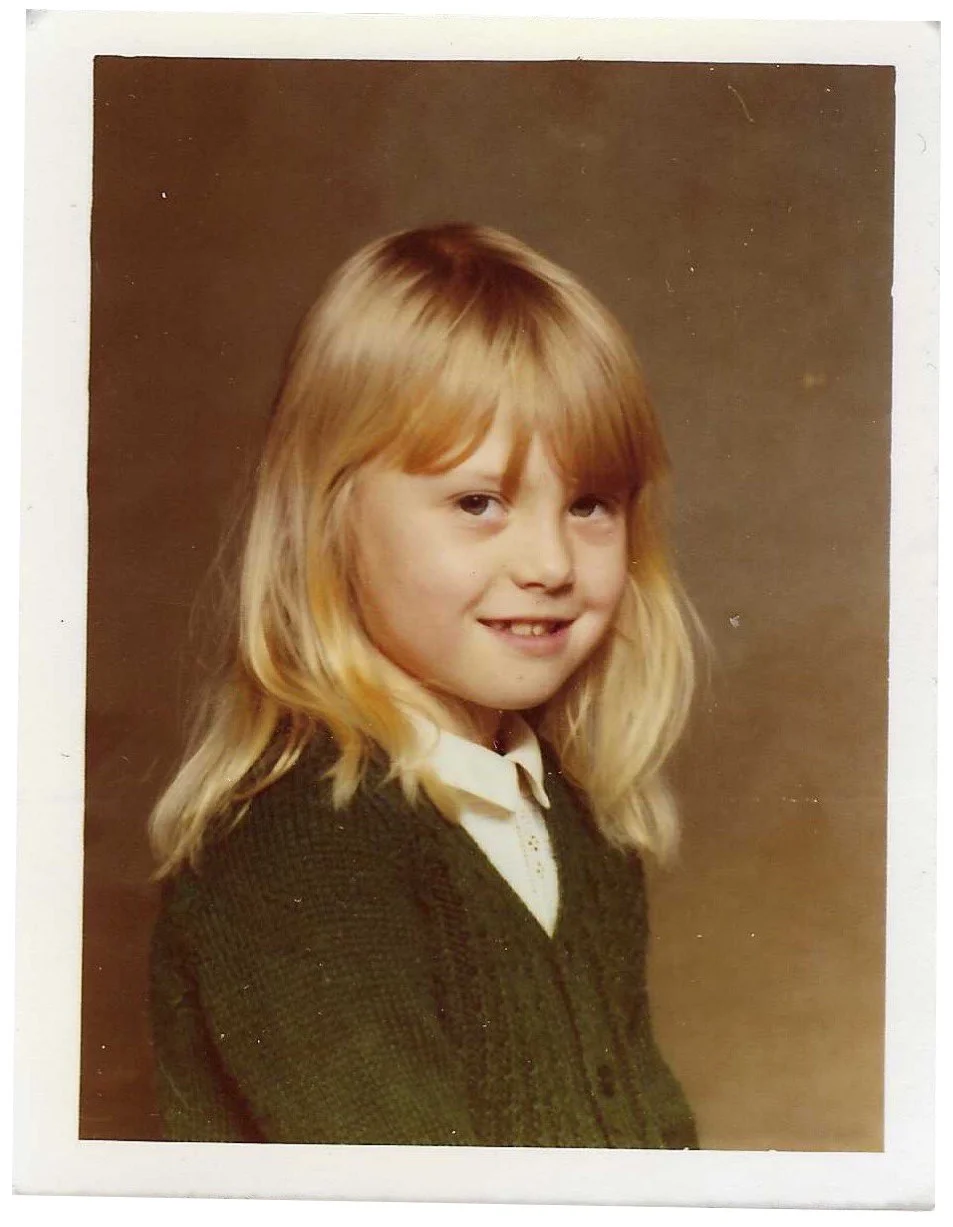
Anna 1st B/day
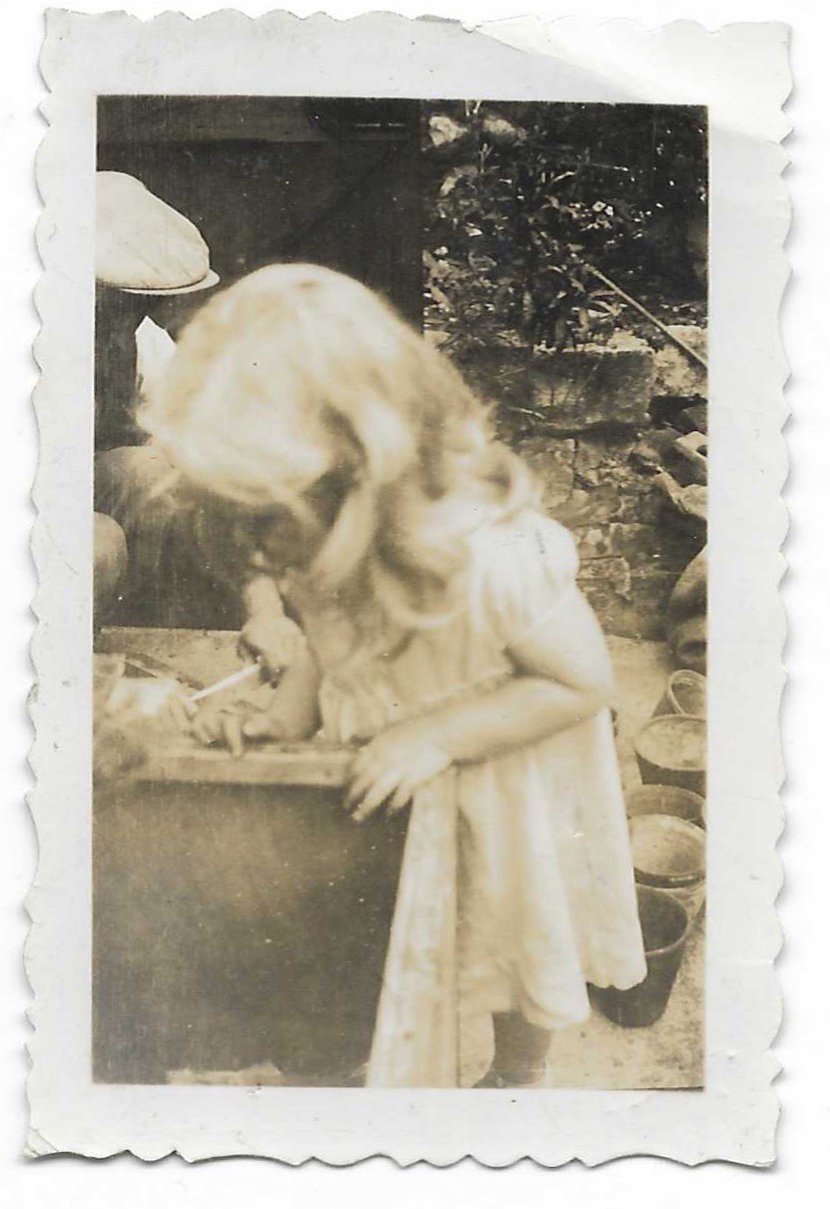
5-7-34 Clearing up! Putting wood into box for my Daddy's fire
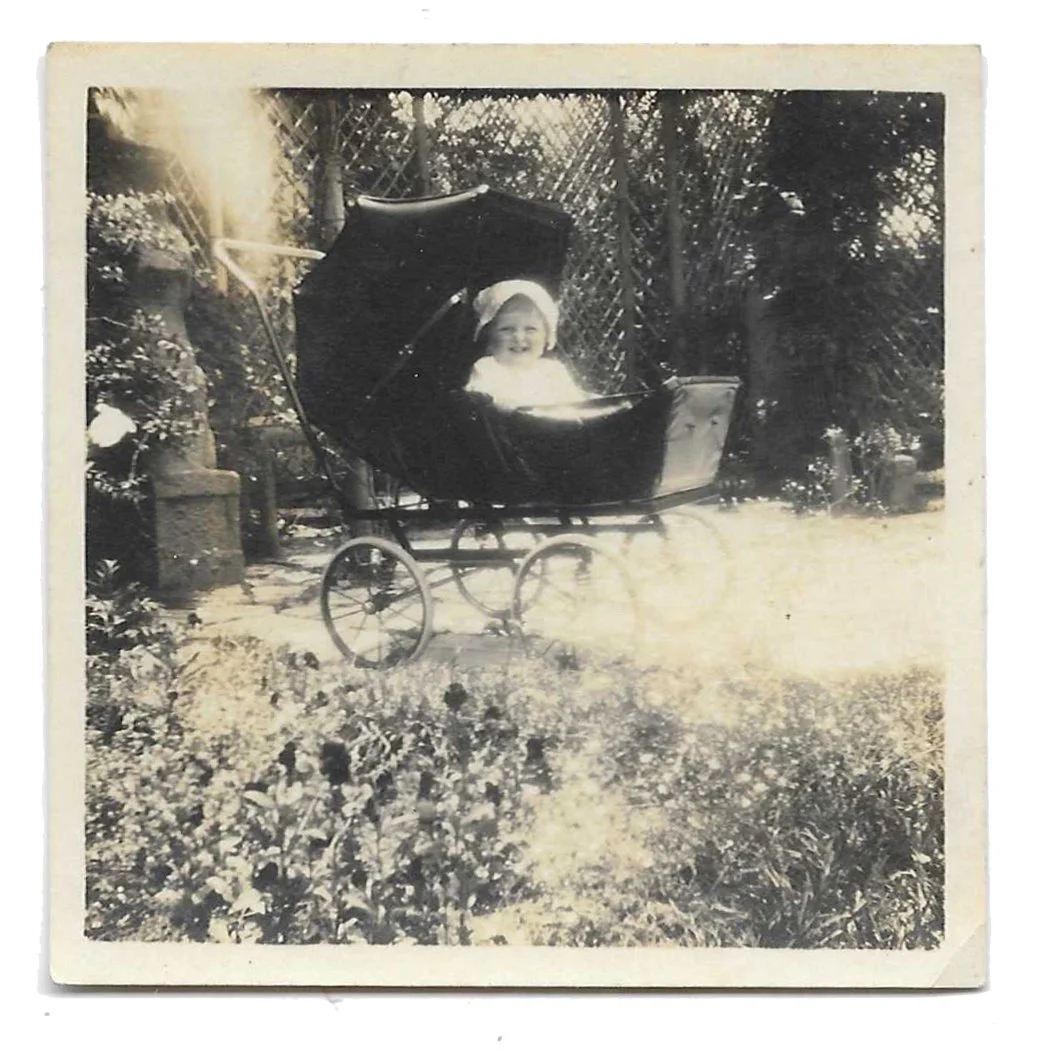
The last picture of Jill (hard to read) Mu got.
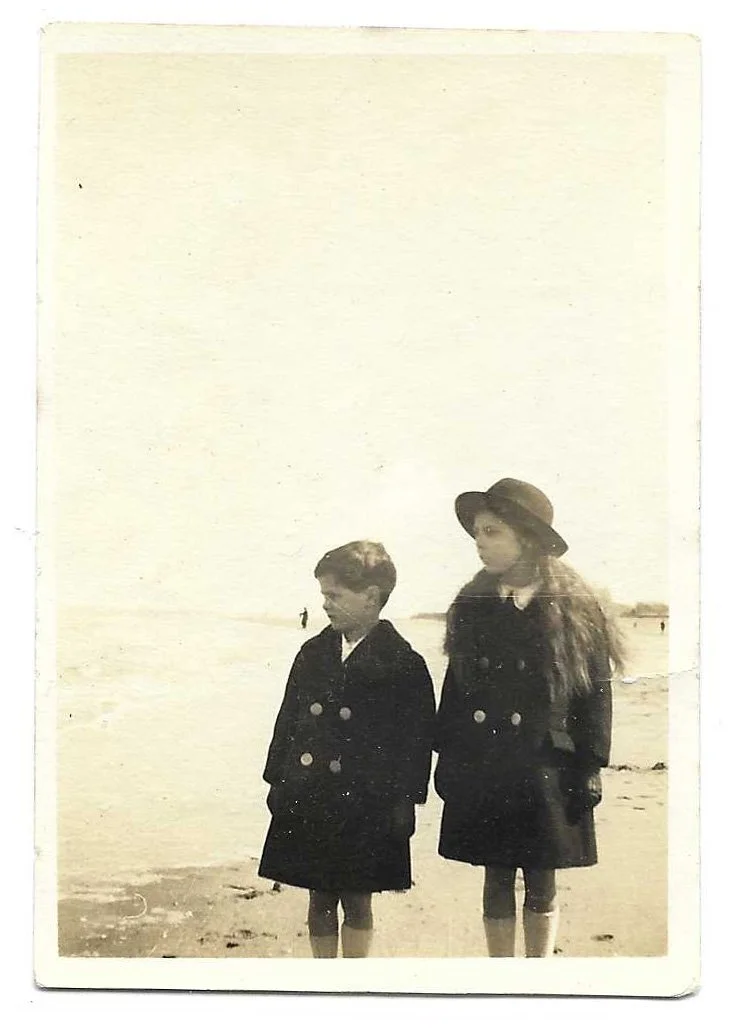
Taken 4 yrs ago at our famous Southport seaside resort, about 60 miles from here.
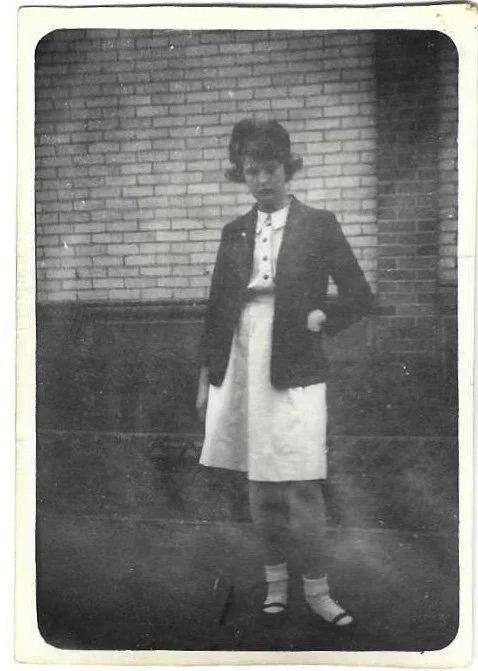
Linda Bray, 54 Melthorne Drive, S Ruislip
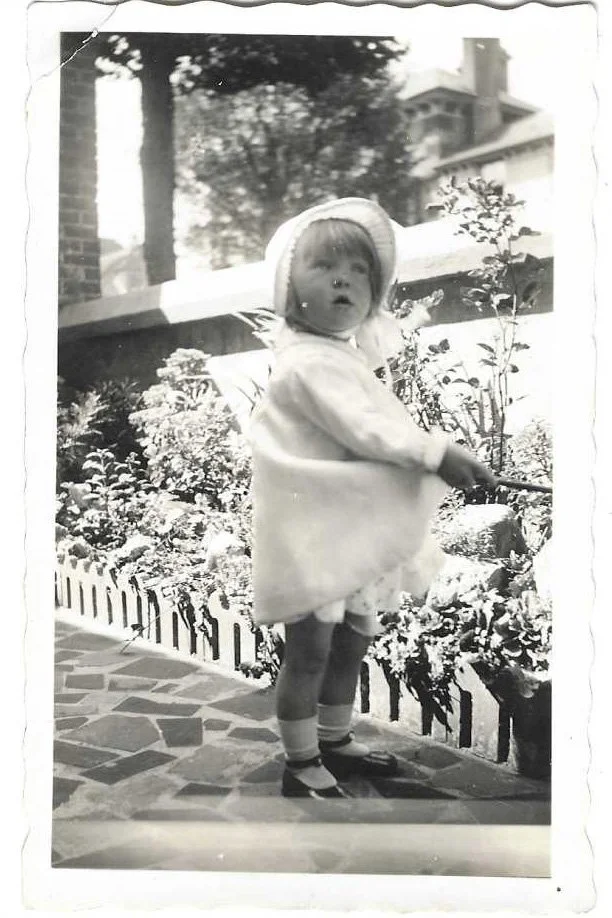
Baby in her new bonnet – can you recognise it? & see how she's grown into it? A very important question she was asking me. 20th August. Aged 19 months.


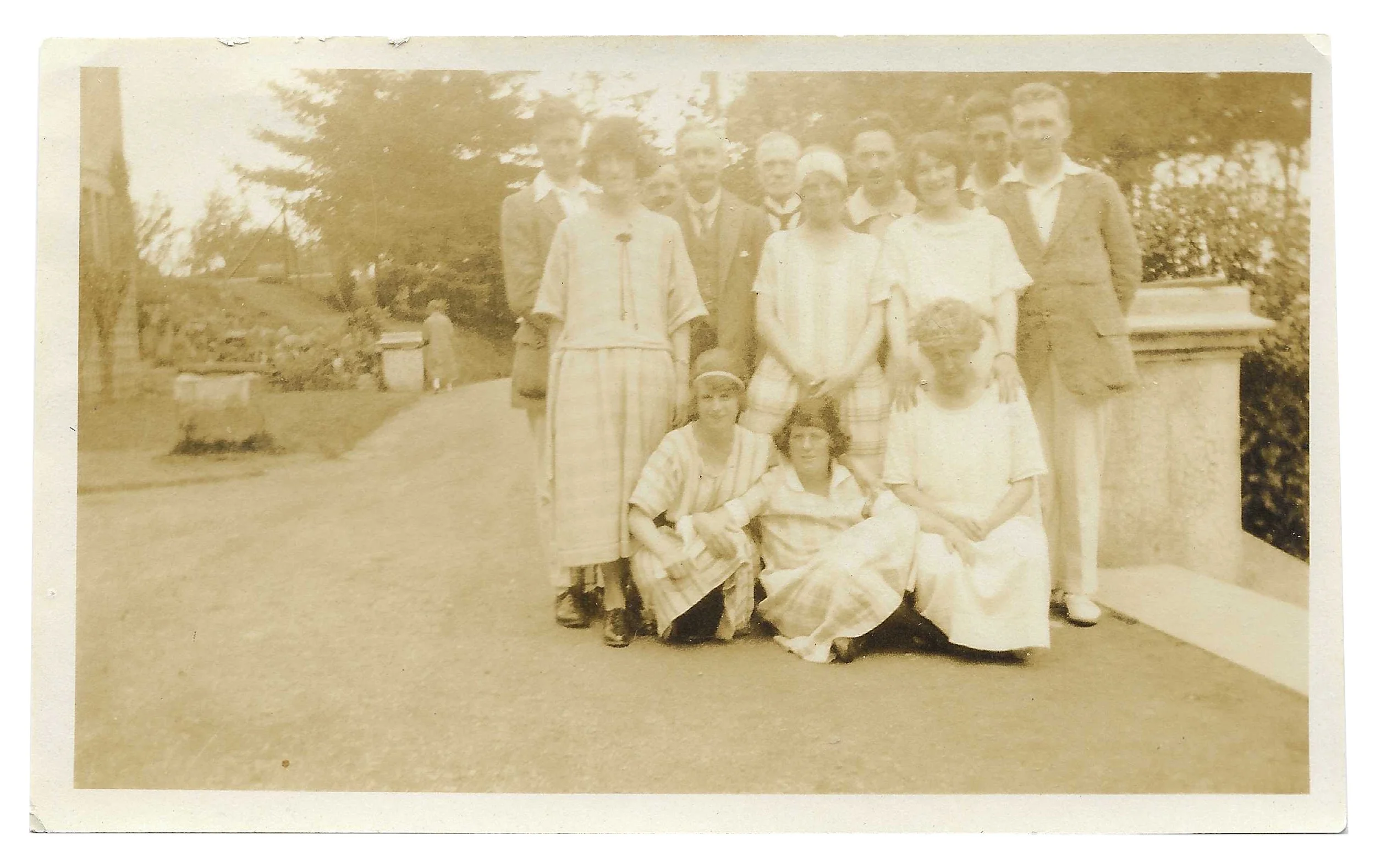



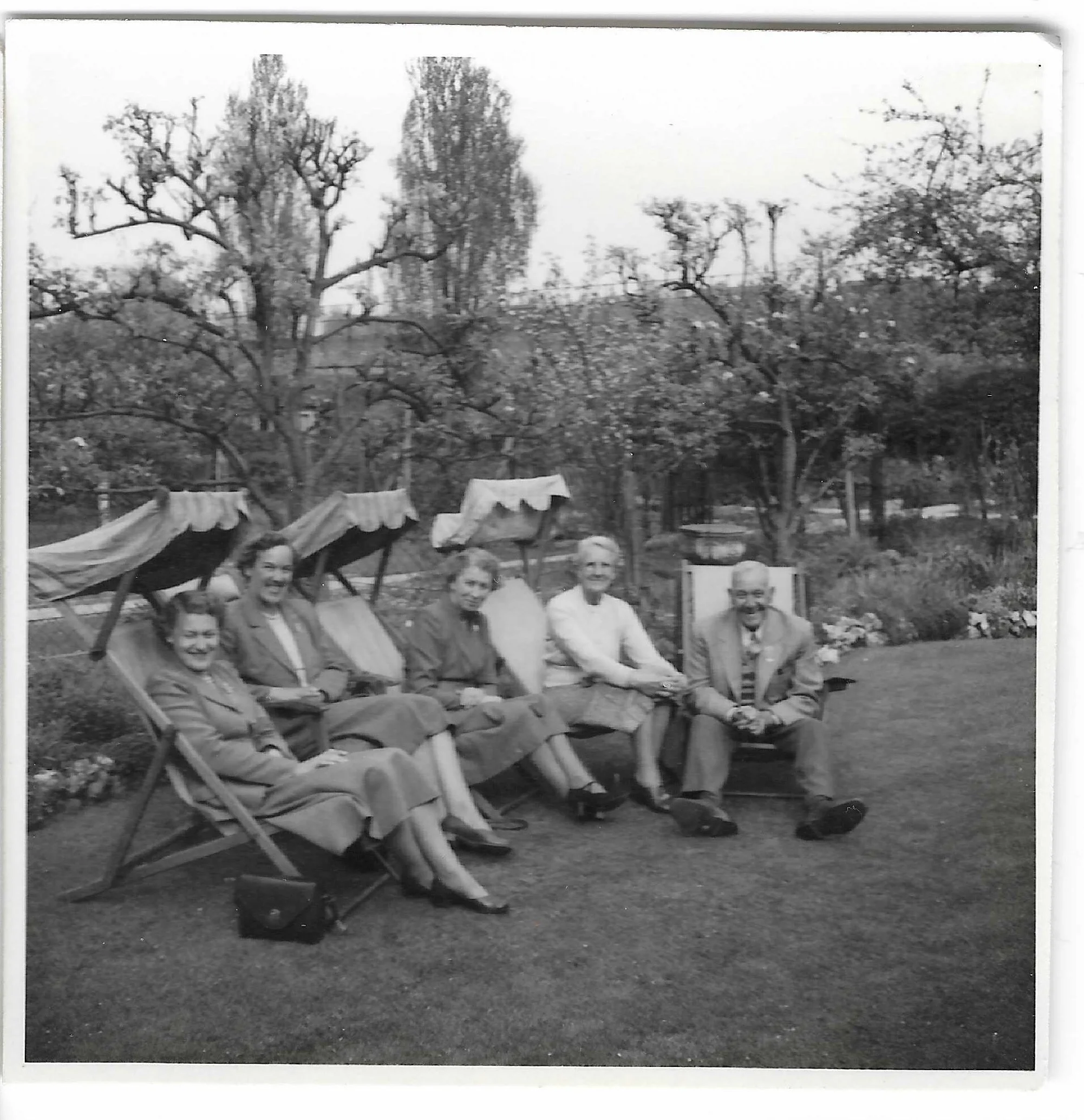
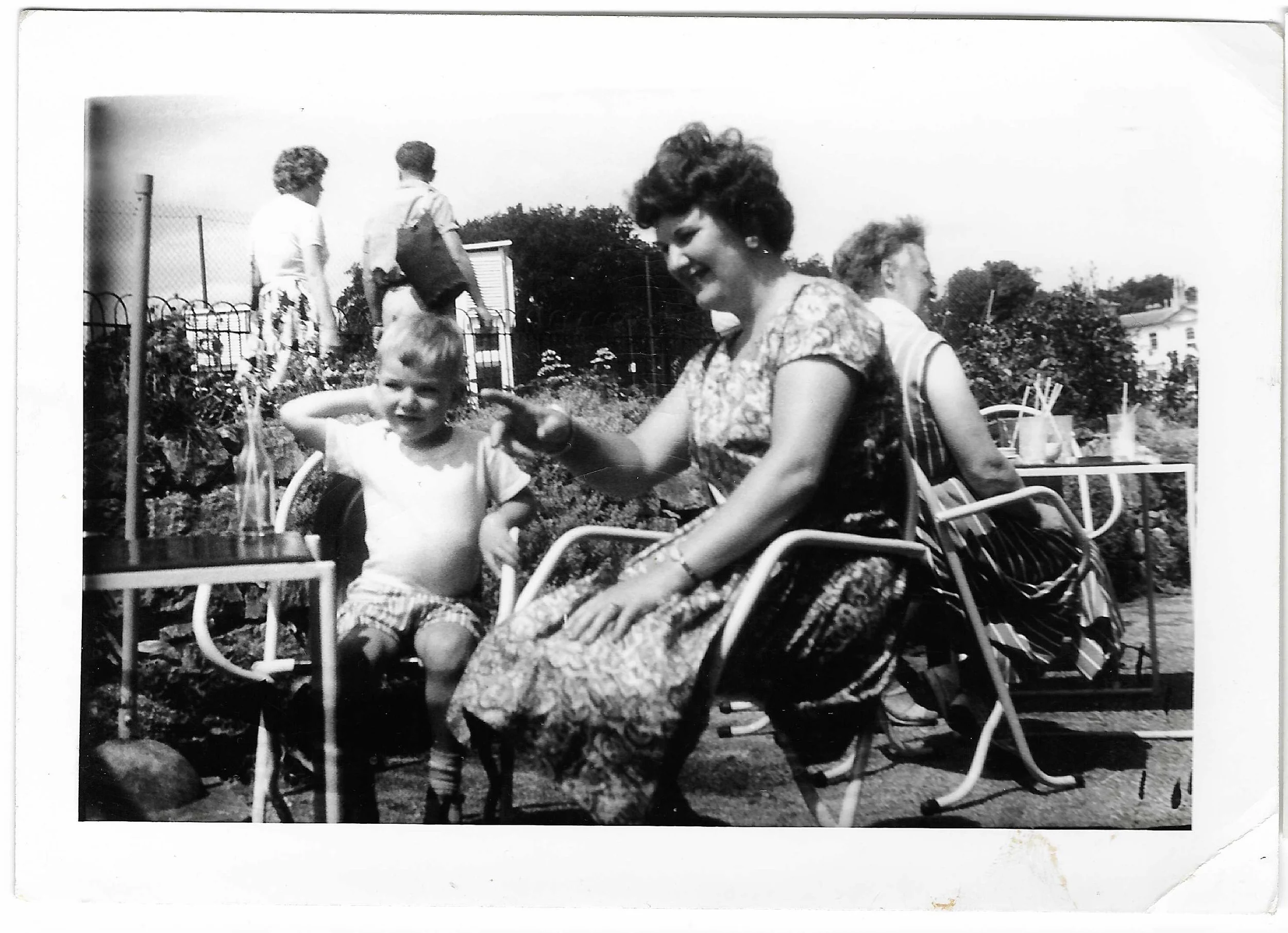

Oldham
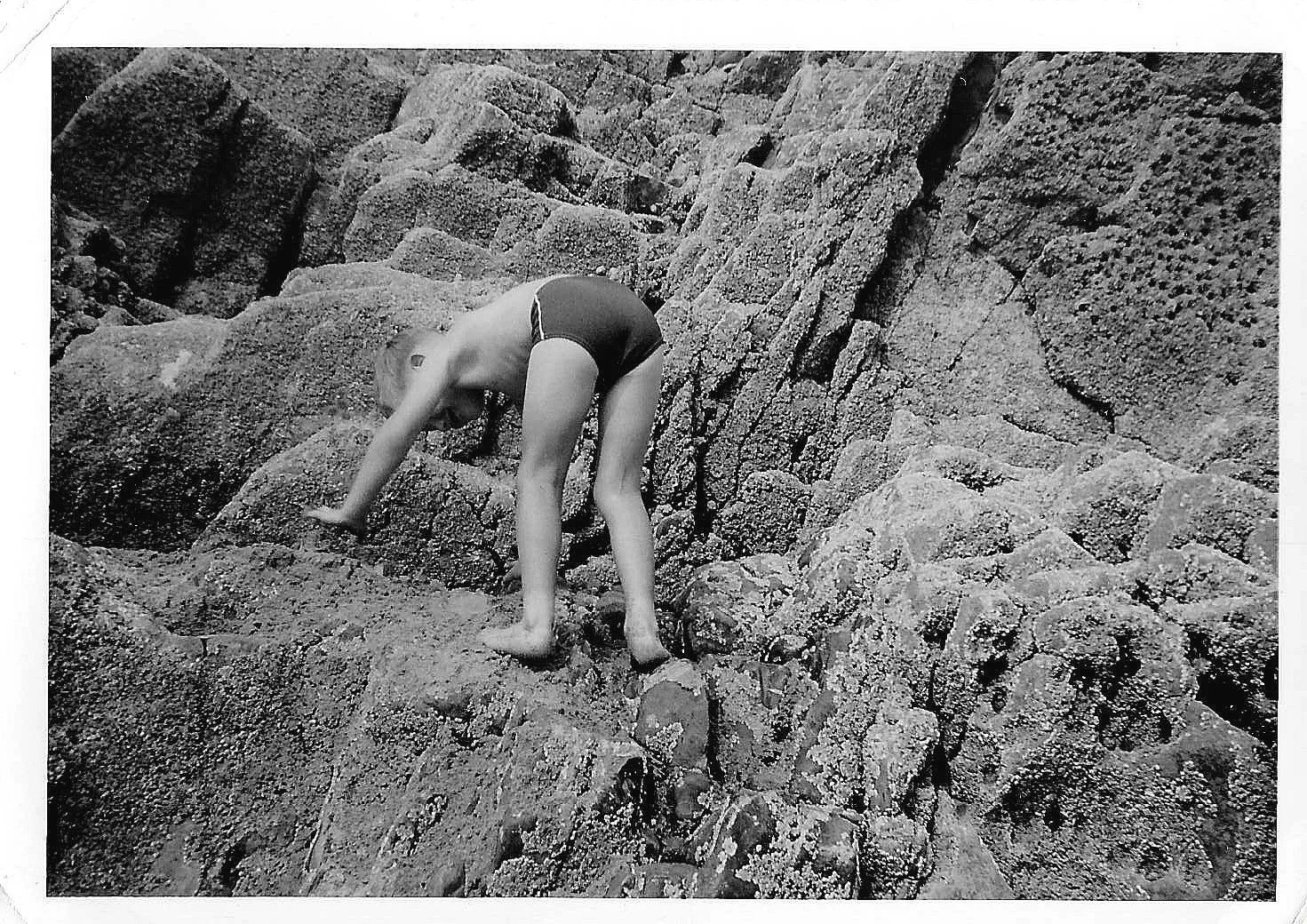
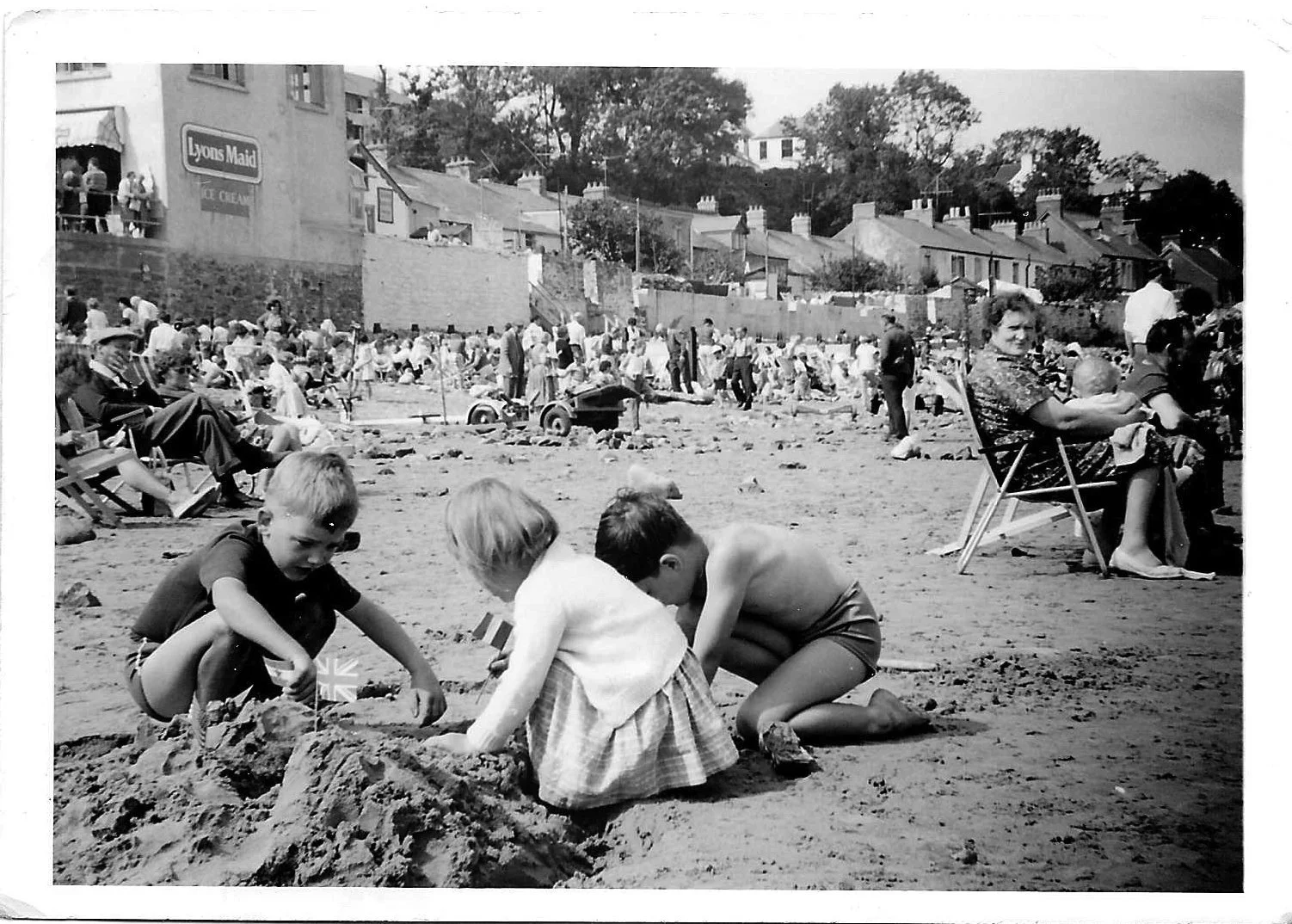




Chazy




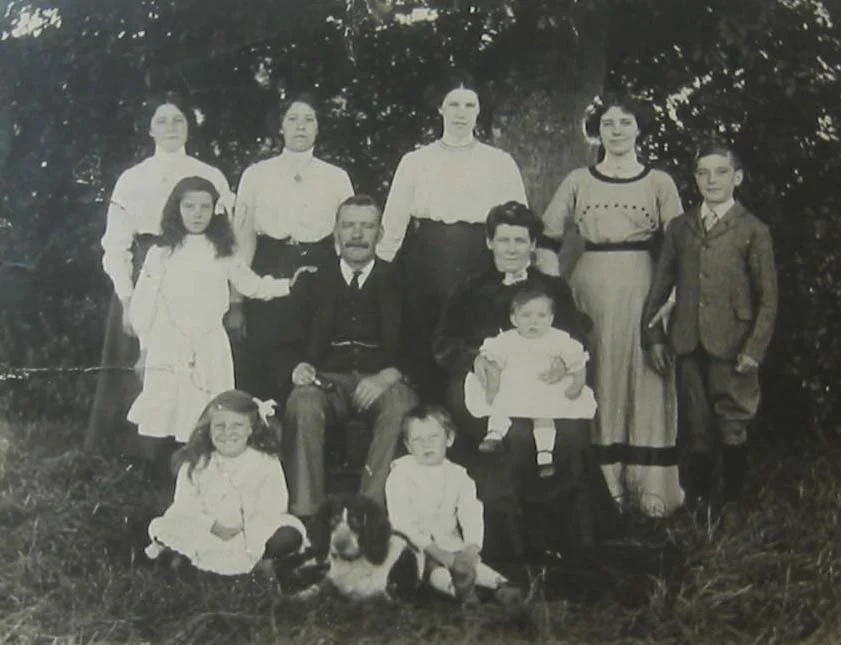
The Wheeler Family, Garsington, Oxford circa 1910. My grandmother Elsie is centre-back. While in service in London, she gave birth to two children who were subsequently adopted. One of them was my mother Jennifer, who having connected with her brother Peter when they were both in their 50s, went on to find Elsie in Rose Hill, Oxford, not far from her birthplace . They remained in contact until Elsie's death at 91 in 1986.

Same place only the other side of peir (sic) you see it was cool Frances with coat on in the Middle of August


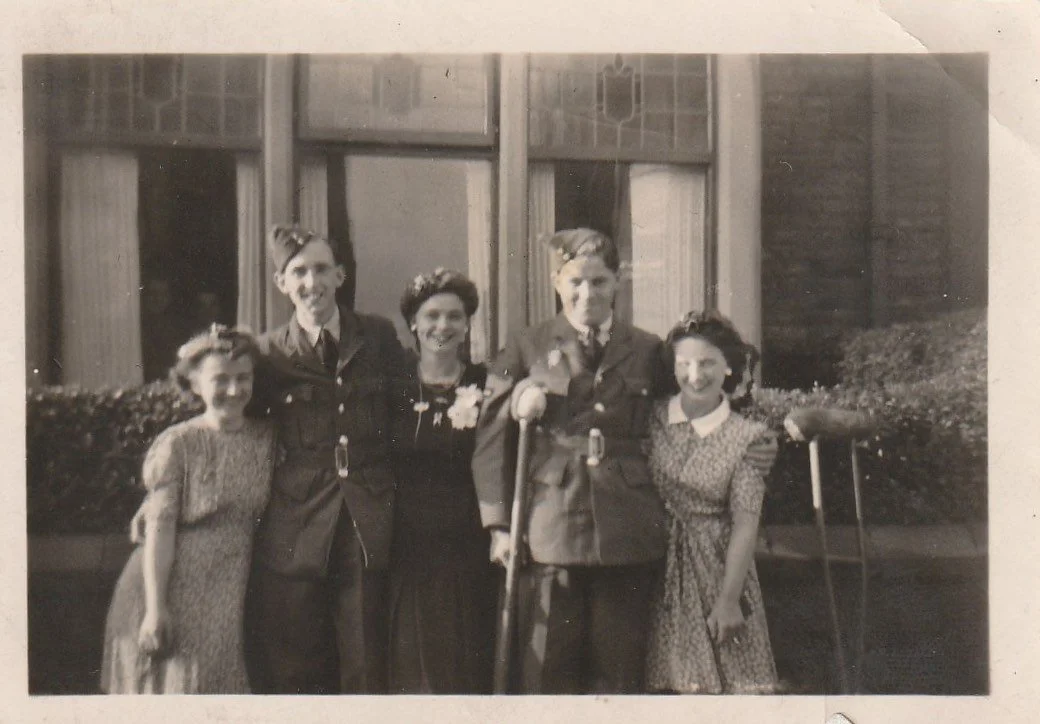
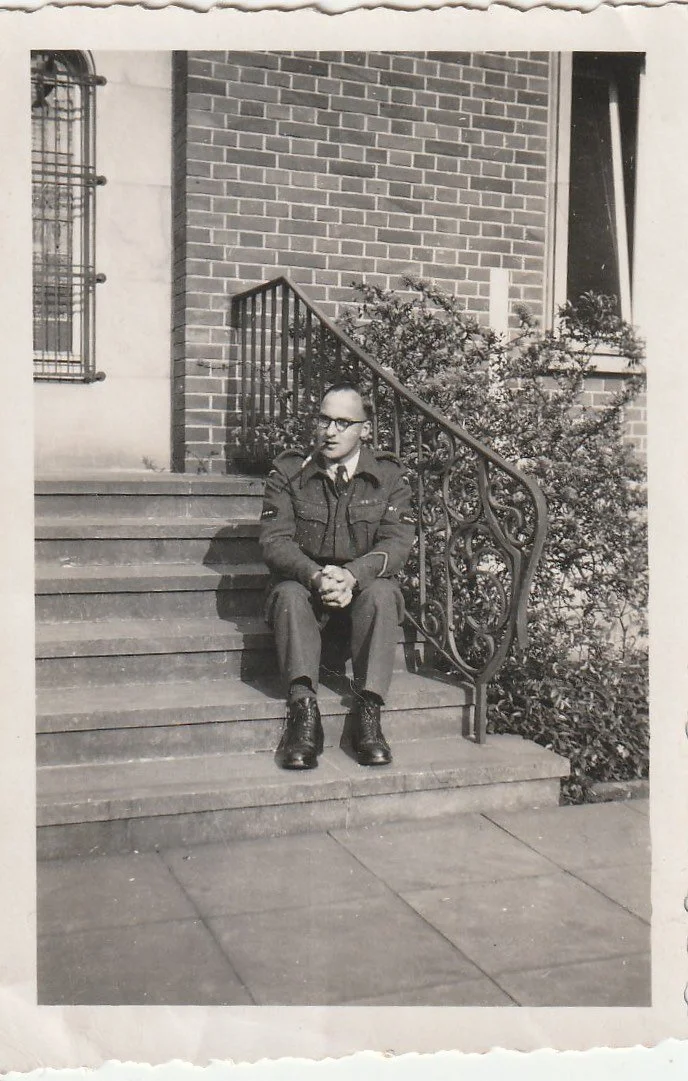
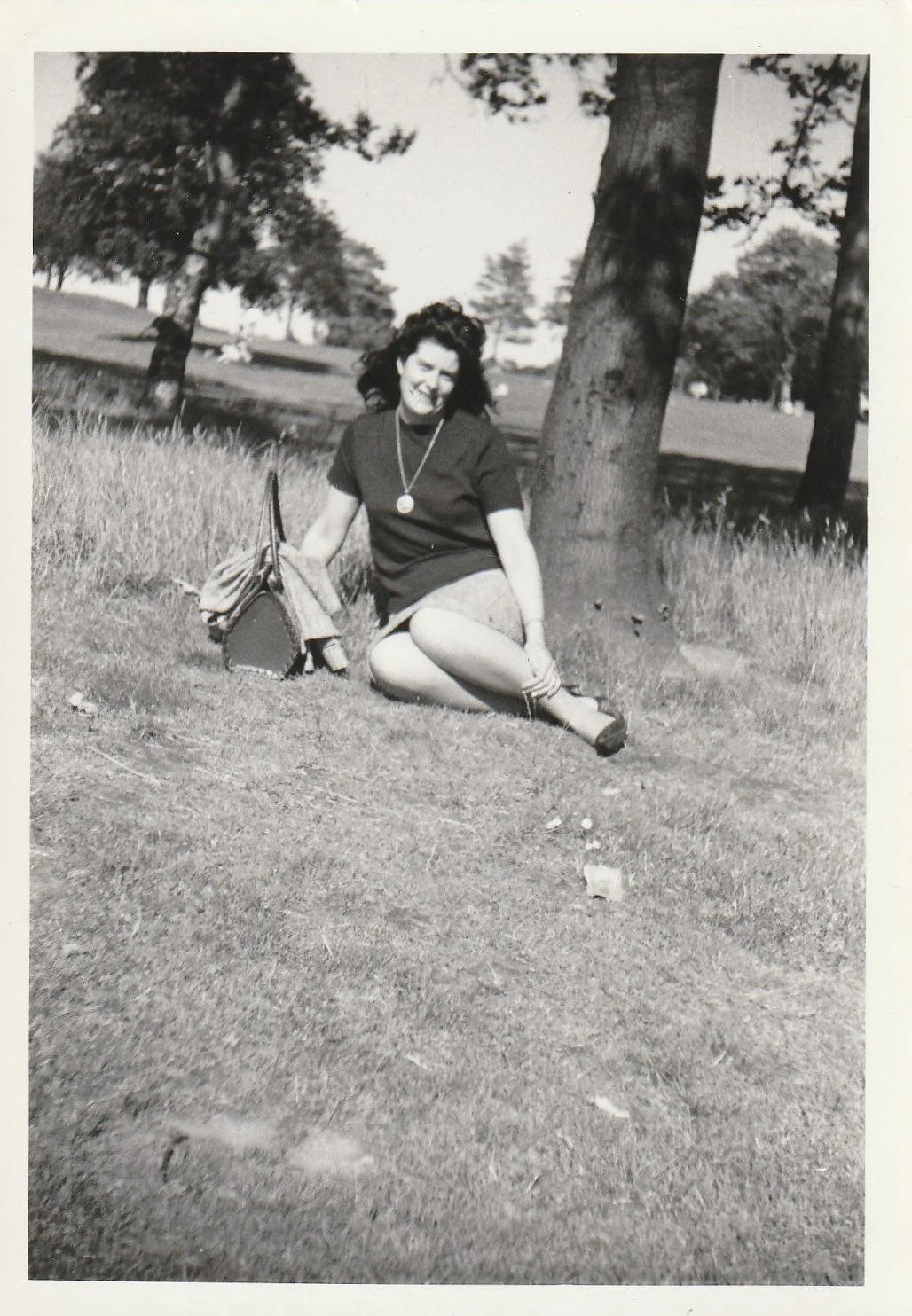

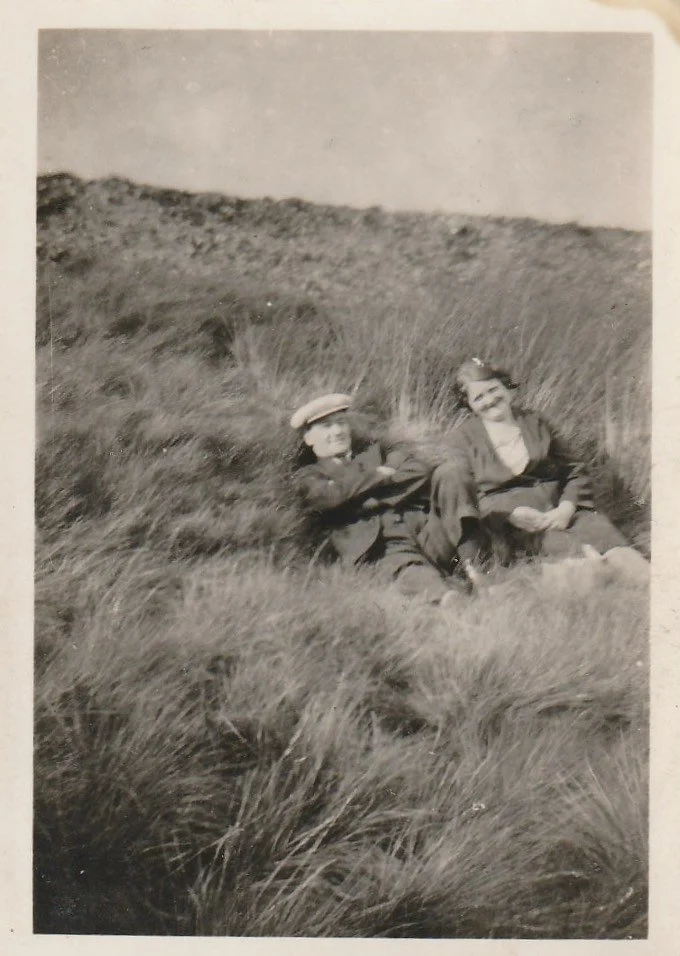
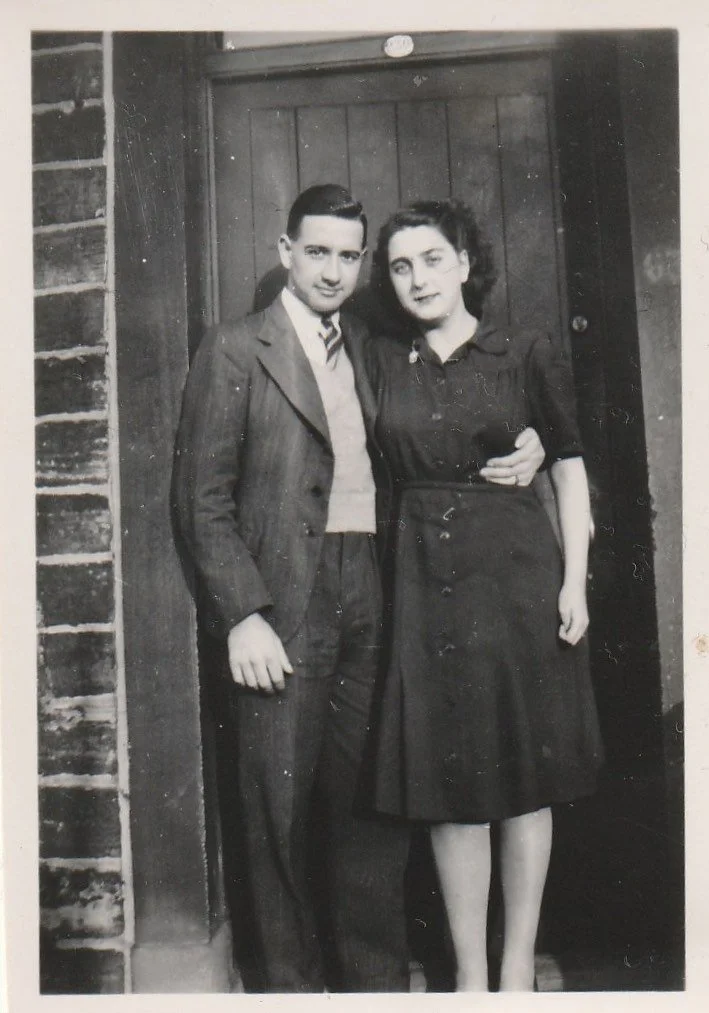
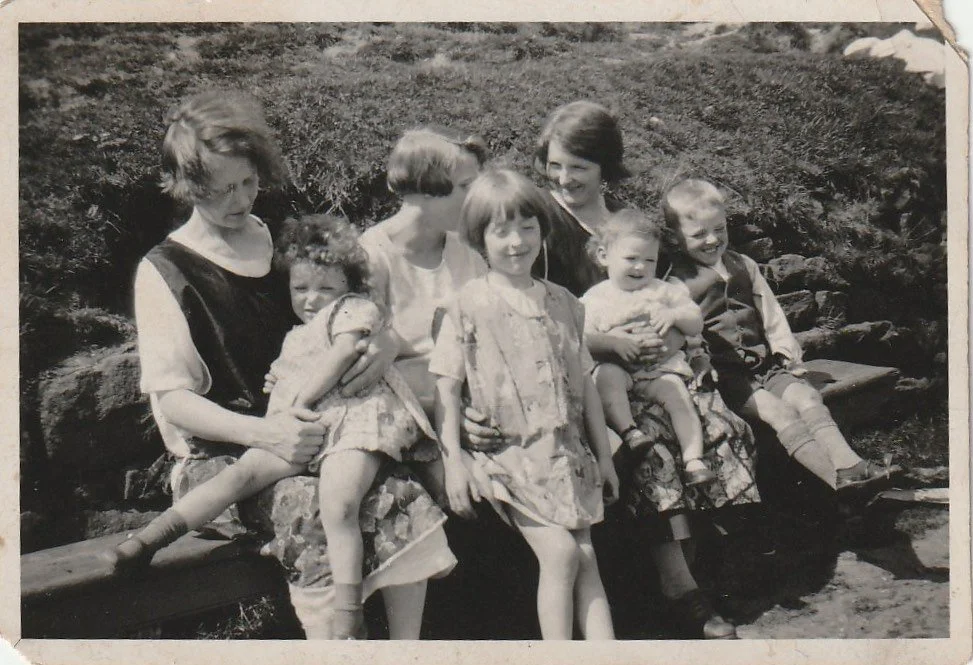
Philes Beatress 1st left Neighbour (sic)
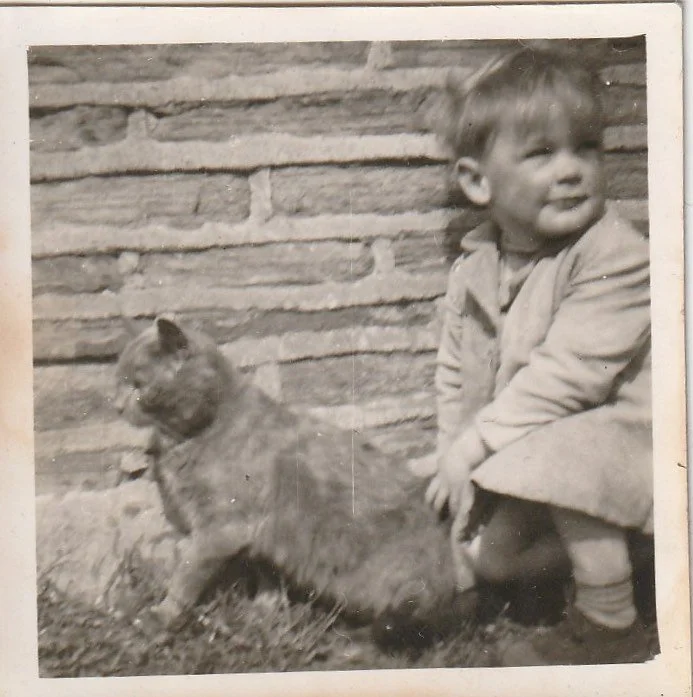
SMOKY & Geoff
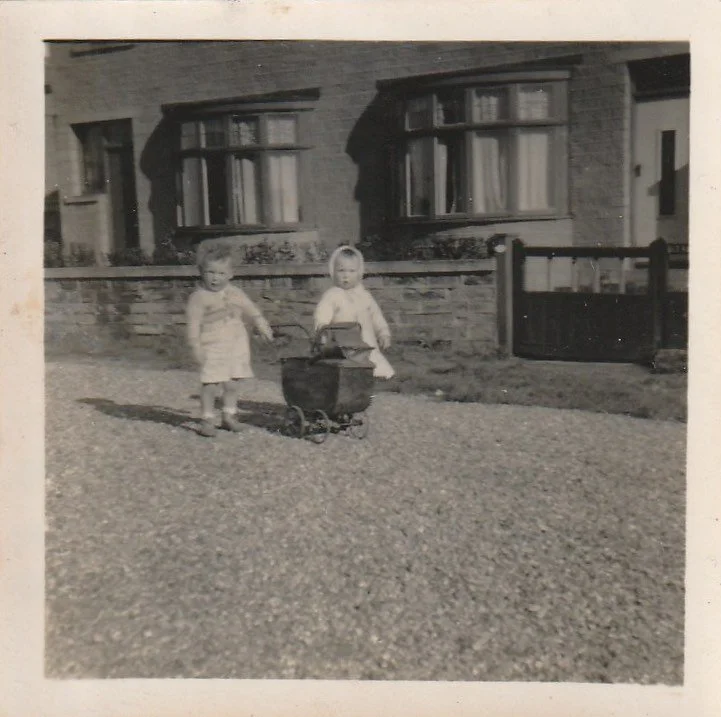

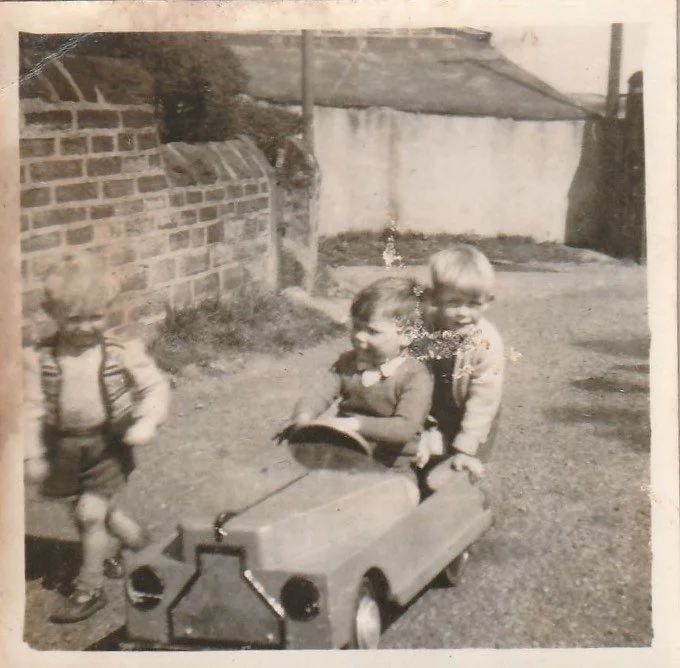

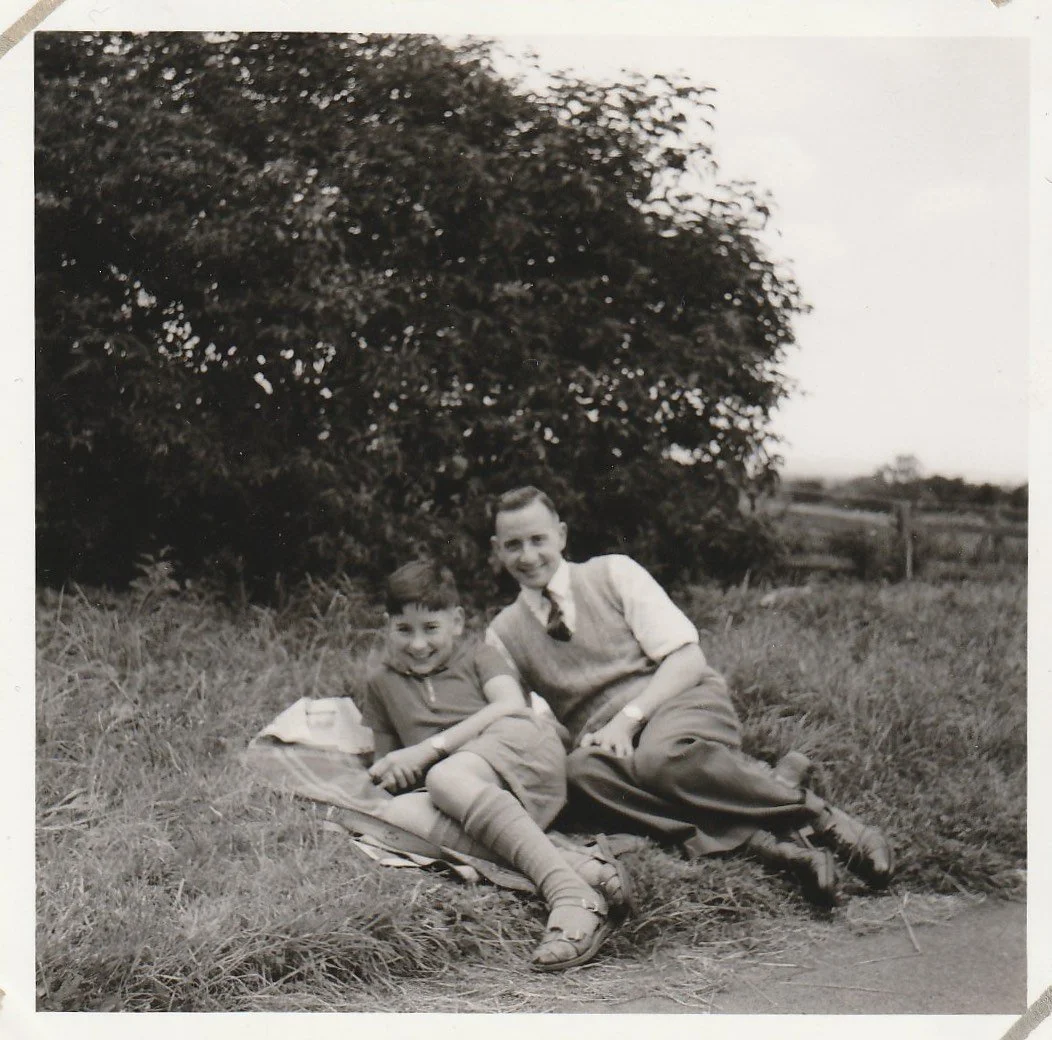
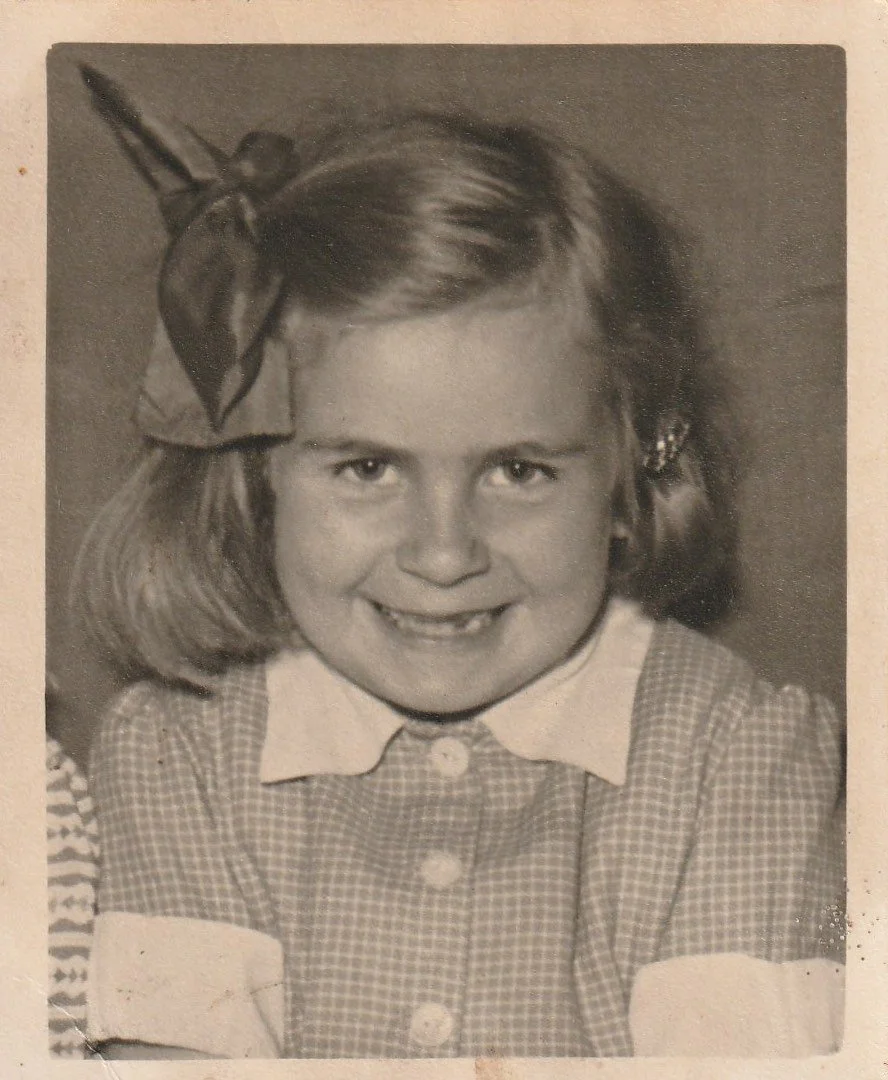

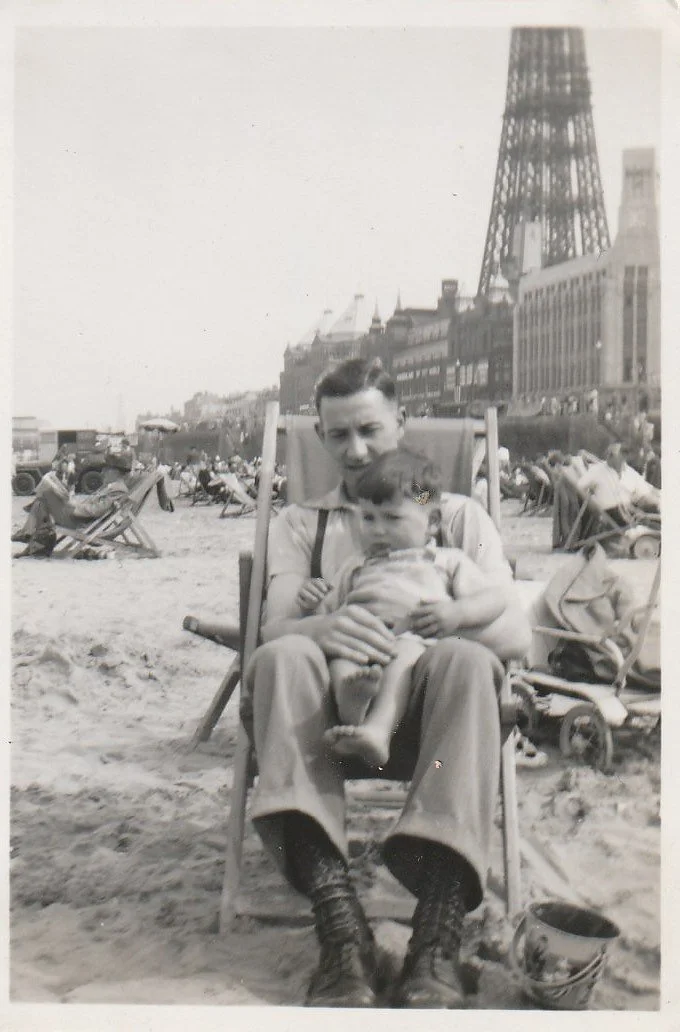


1960

Aug 1964

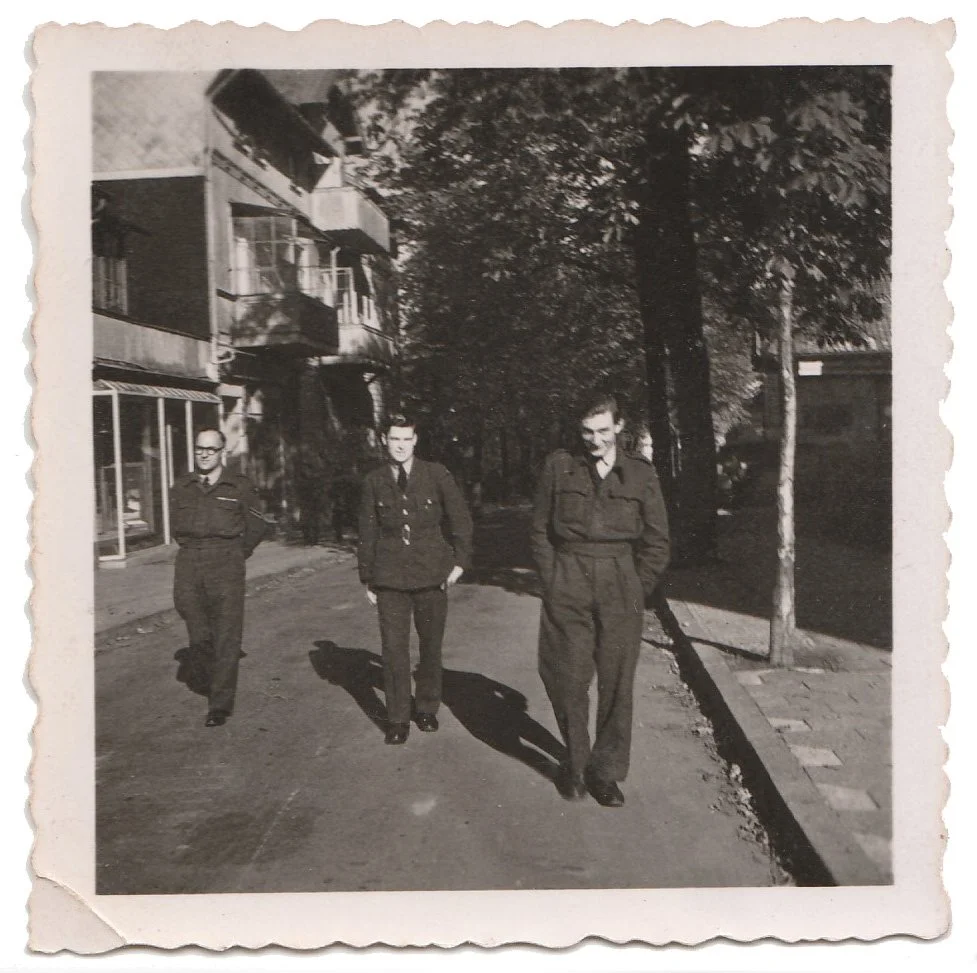
Taken on my convalescence. H


14 July 1945


June 1950

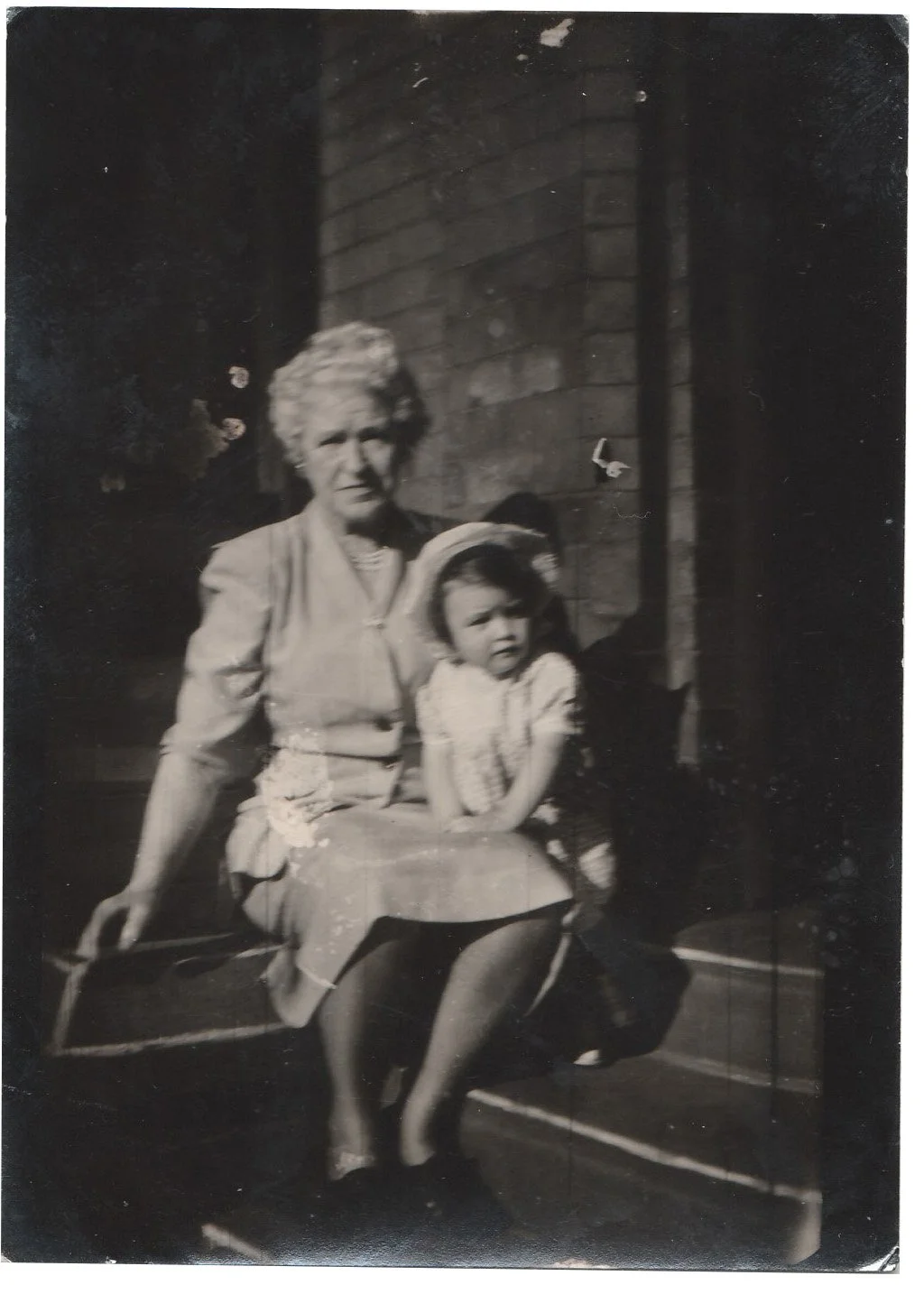

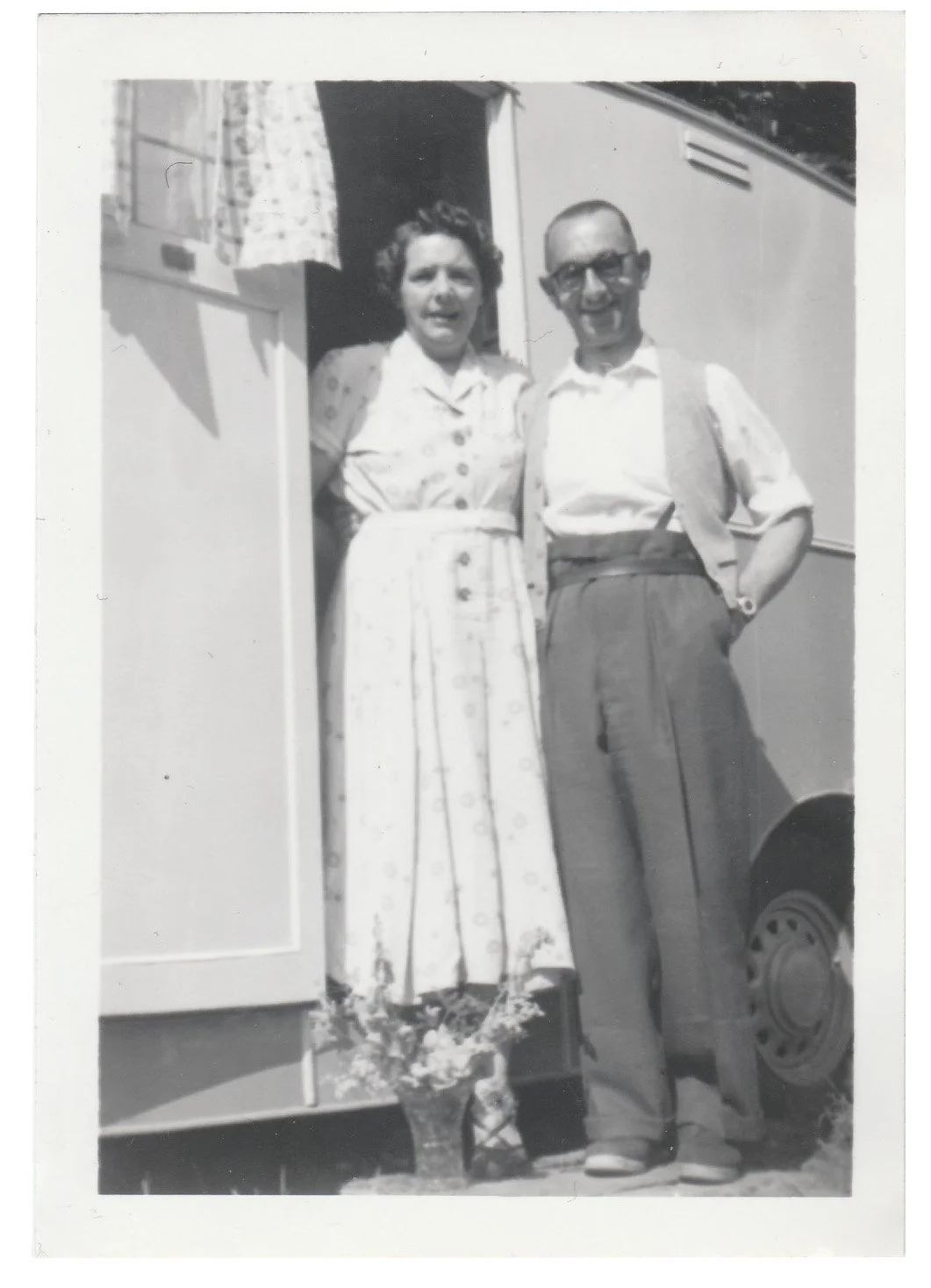


Step Sister Philis Mellor

My grandmother Elsie (centre) at her wedding to John E Evans (left) in 1941 in Oxford. Her sister Bertha is on the right. I'm not sure who the men at the back are but could be her brother Jack on the left and perhaps Bertha's husband on the right. Elsie and John had no children, but Elsie had already had two children in the 1920s who had been adopted, my mother Jennifer and her half brother Peter. Elsie kept this a secret from everyone until Peter and Jenny found her in the late 70s.

Bertha & friend Peg. Not sure of the date but looks post-war. They spent many of their early years together in London. Bertha was my great aunt, but because my mother was adopted, we knew nothing of her until my mother located her birth mother, Elsie, in the late 70s. Elsie and Bertha grew up in Garsington, Oxford, where Bertha sometimes worked at Garsington Manor, home of Bloomsbury Group doyenne Ottoline Morrell. I think Elsie helped her out sometimes.

Mum, me and Rollo in the Brook garden, around 1961
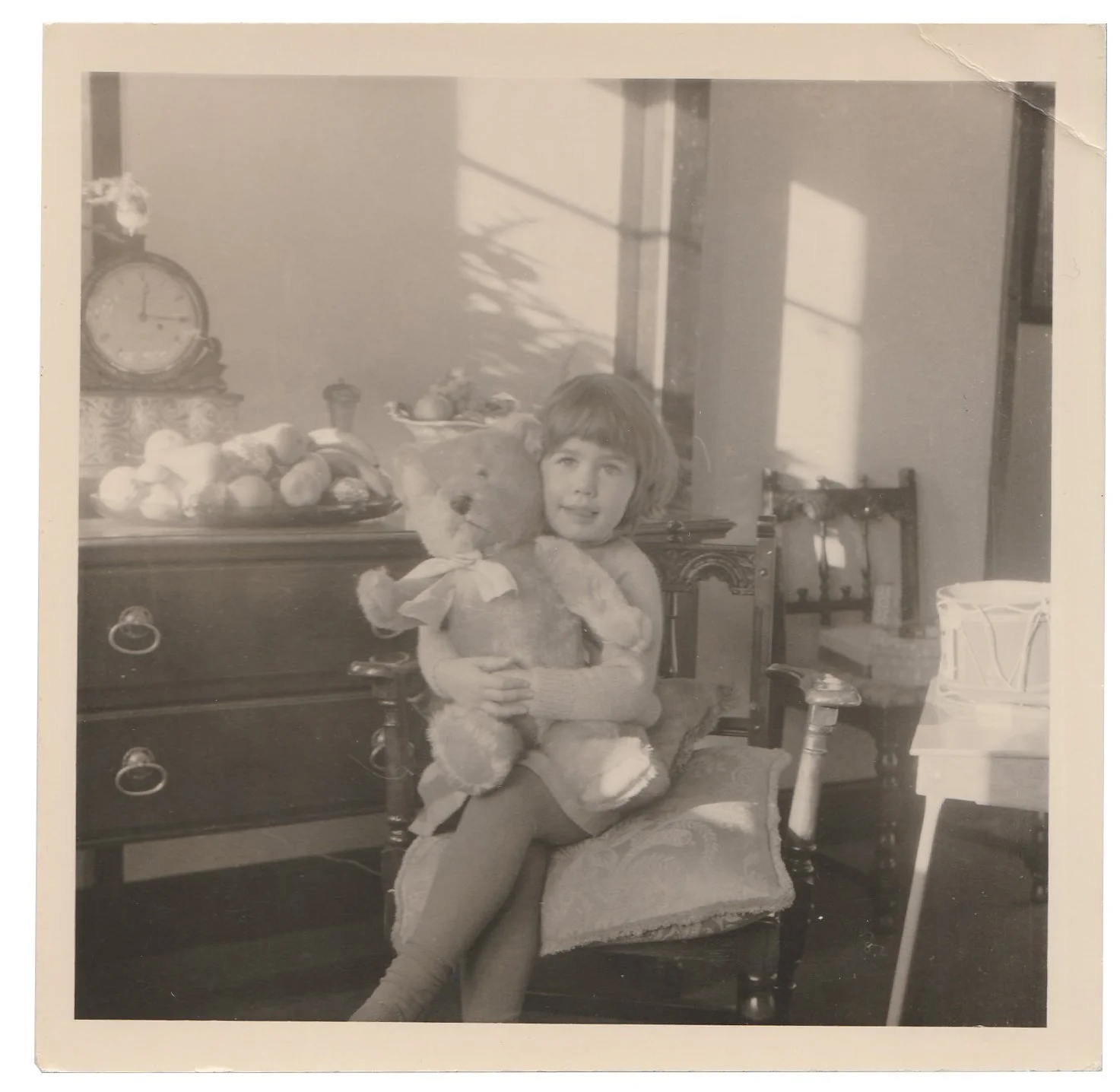
Me with Big Teddy at the Brook around 1963. I still have him.

Dad and I in the Cuttinglye Road garden around 1959.

This looks as if it was torn in half and taped together again.


Blackpool Sept 1972


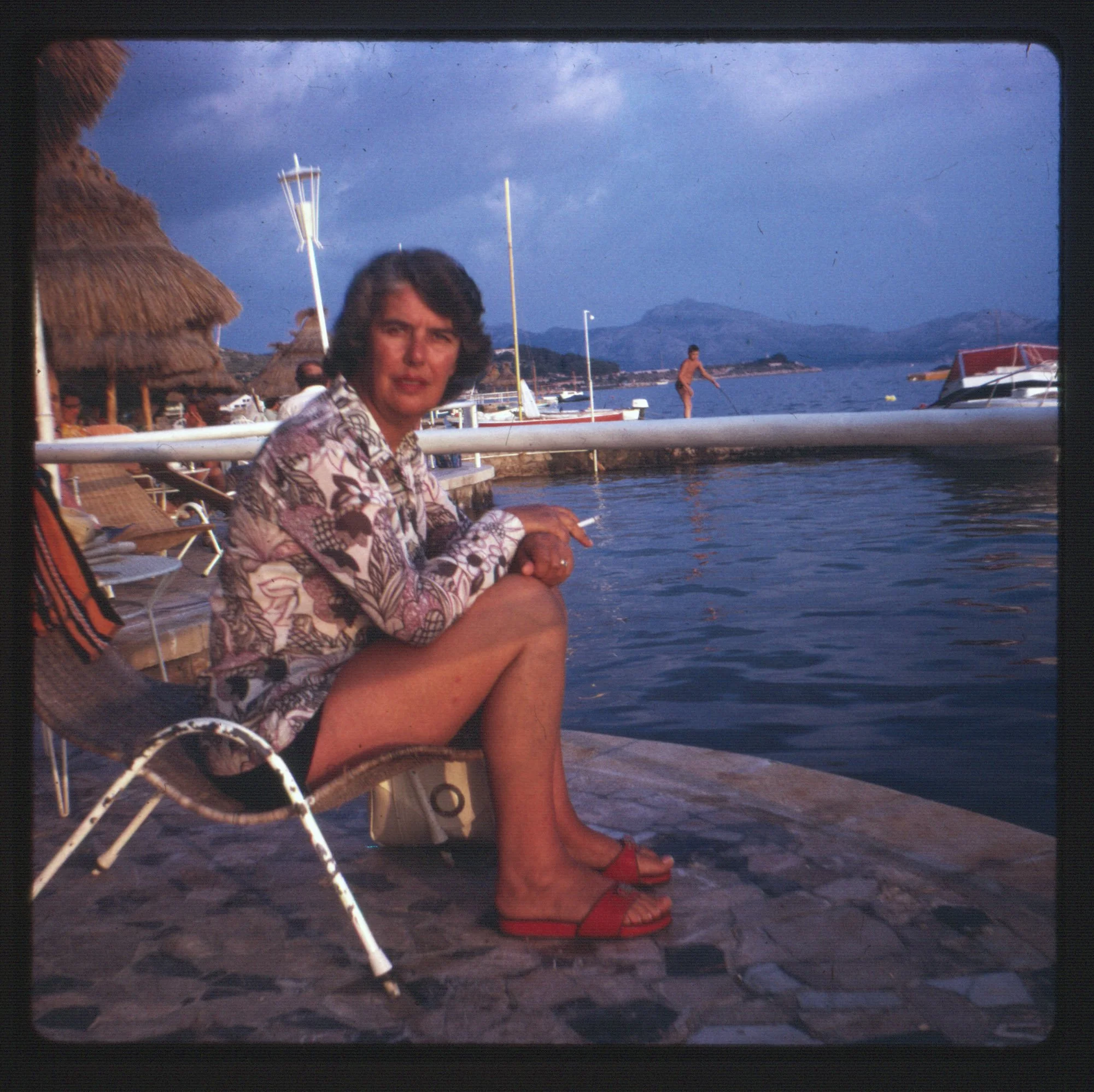
Jenny Ripley, on holiday in Puerto Pollensa, Majorca. August 1972


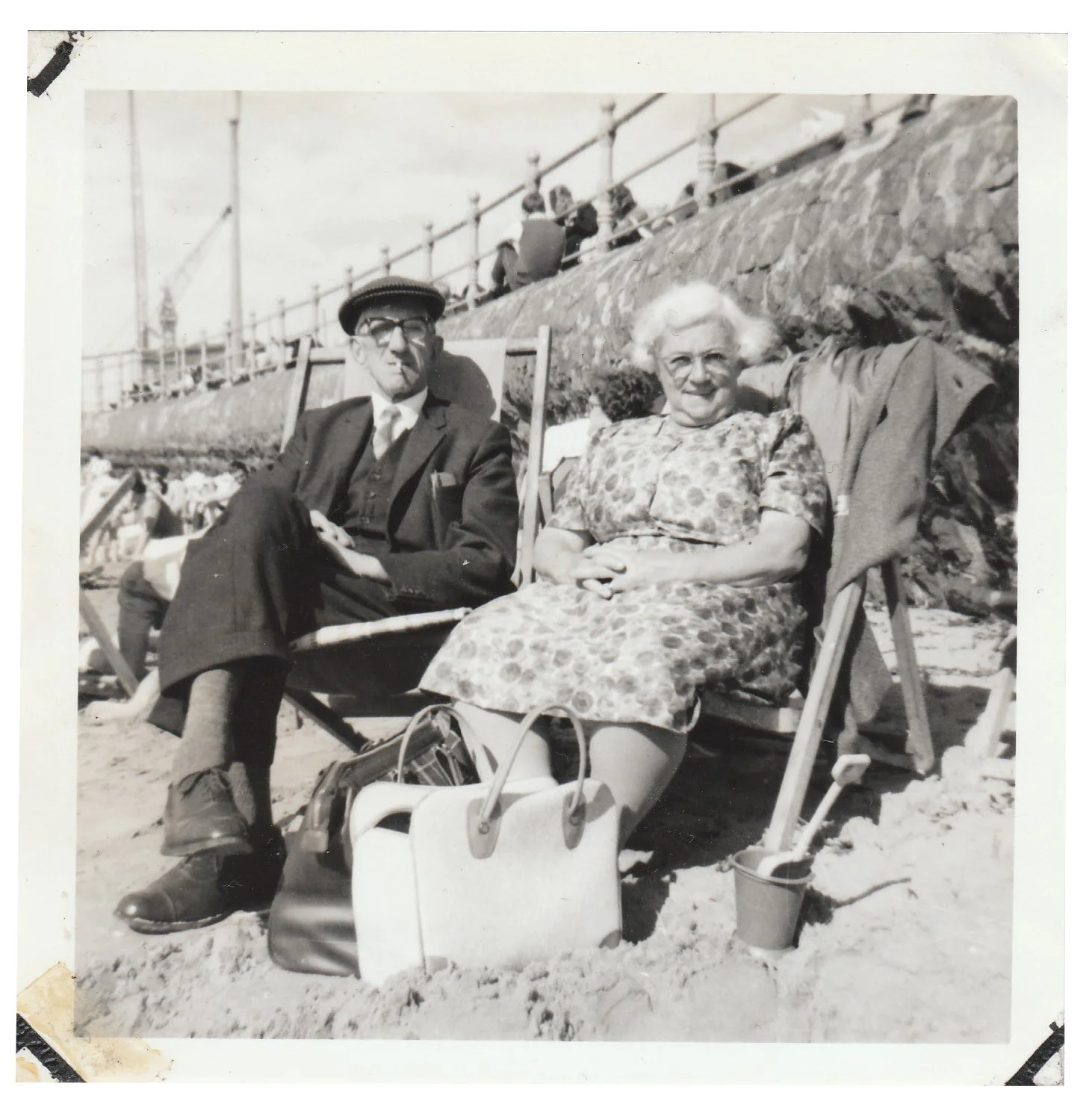
Aug 1964


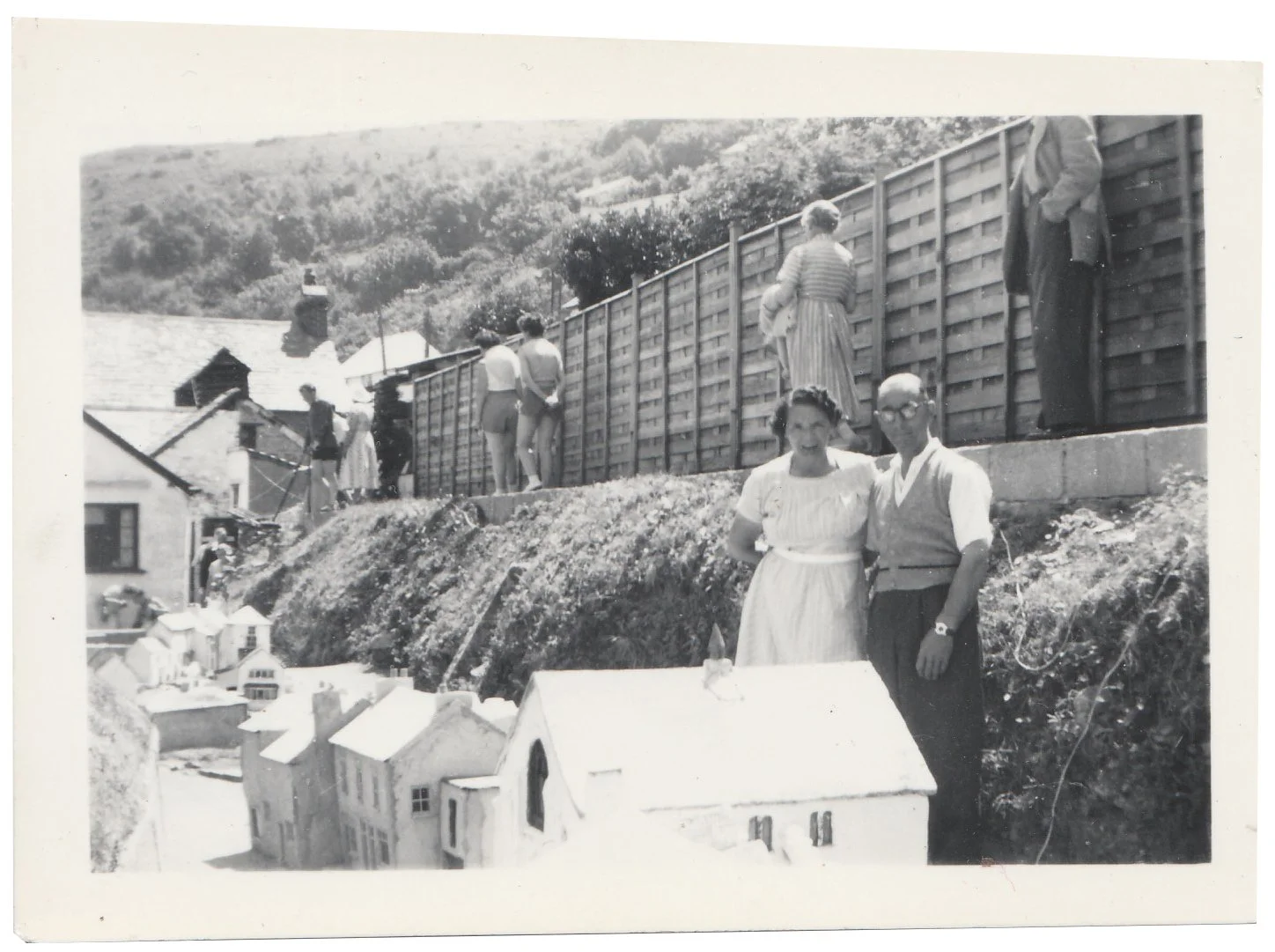

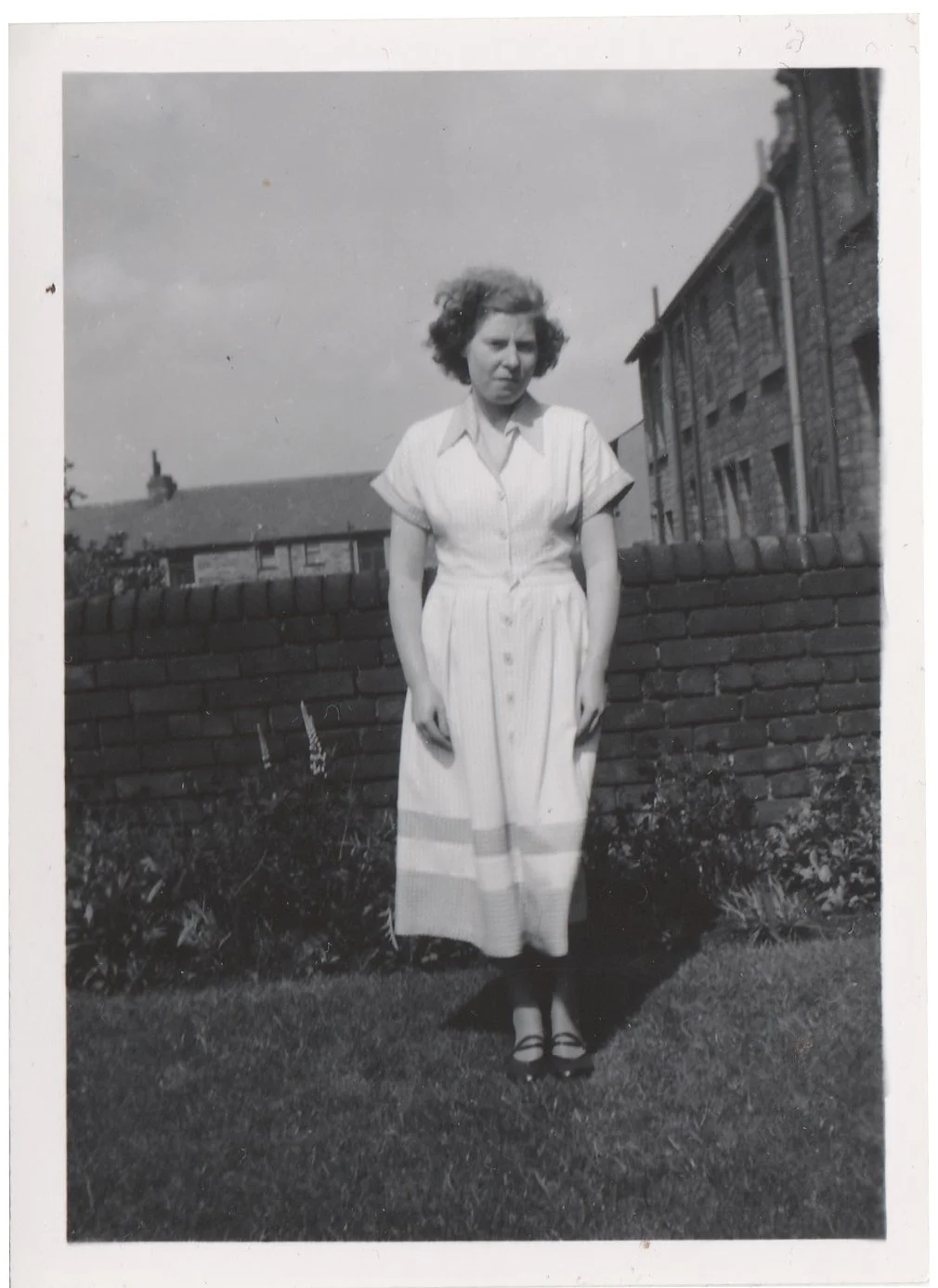
June 1950

1939


TO UNCLE HAROLD WITH LOVE FROM GILLIAN


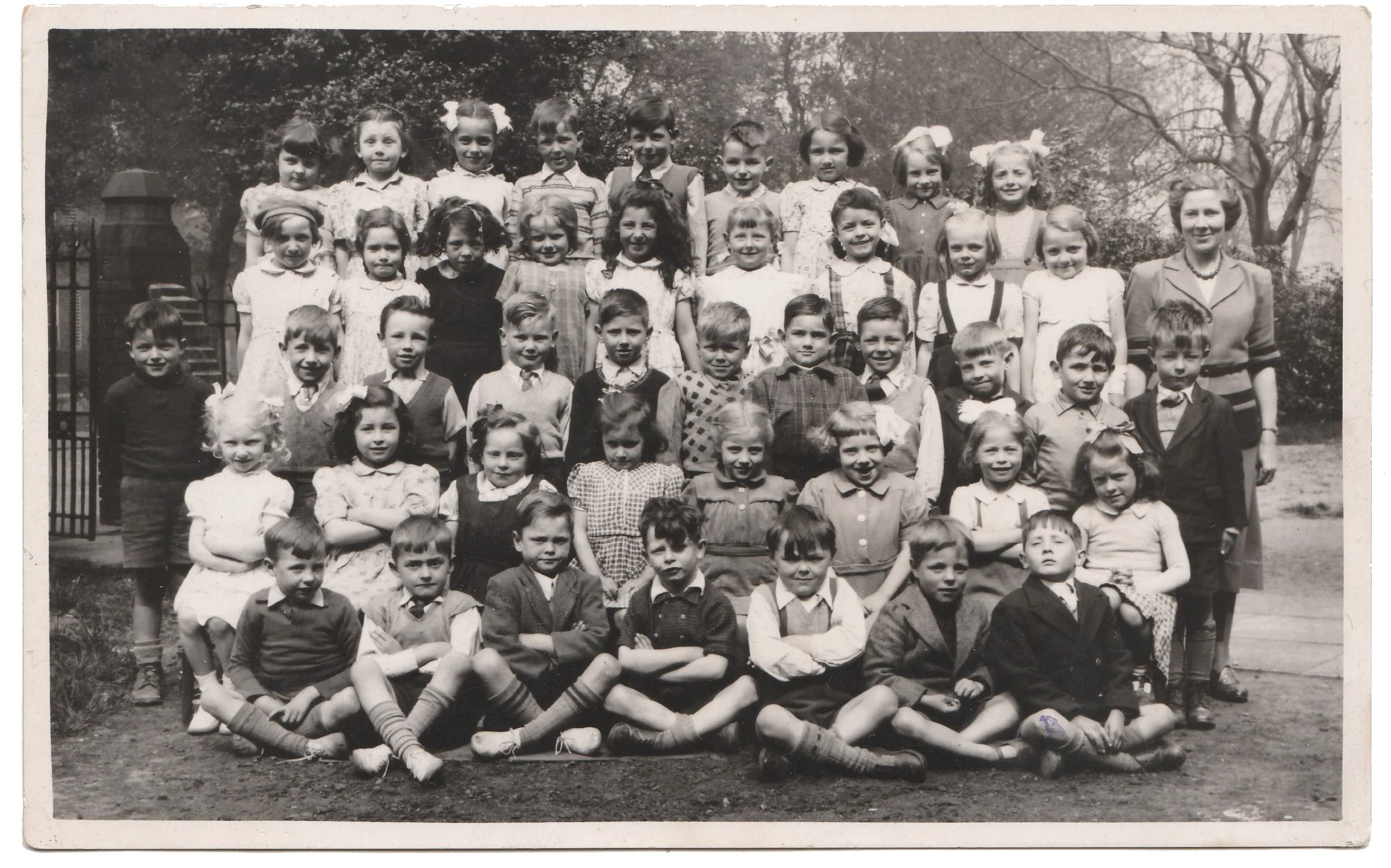

1948 Mrs Tricket Kieth Barry Brian Douglas Michael Brooks


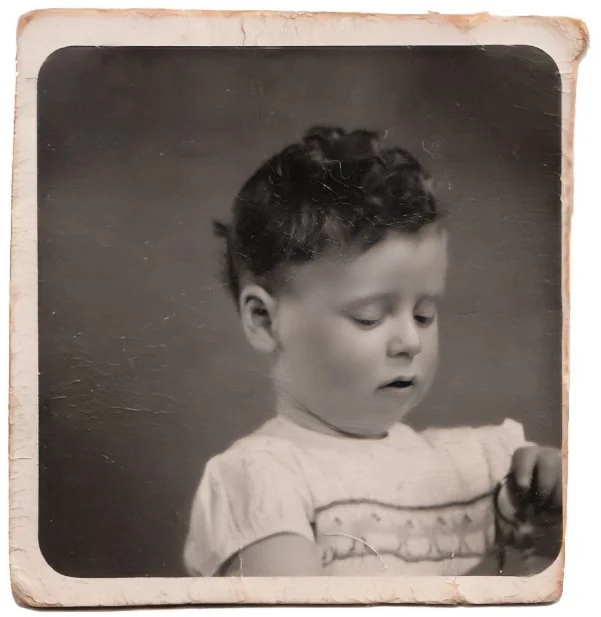


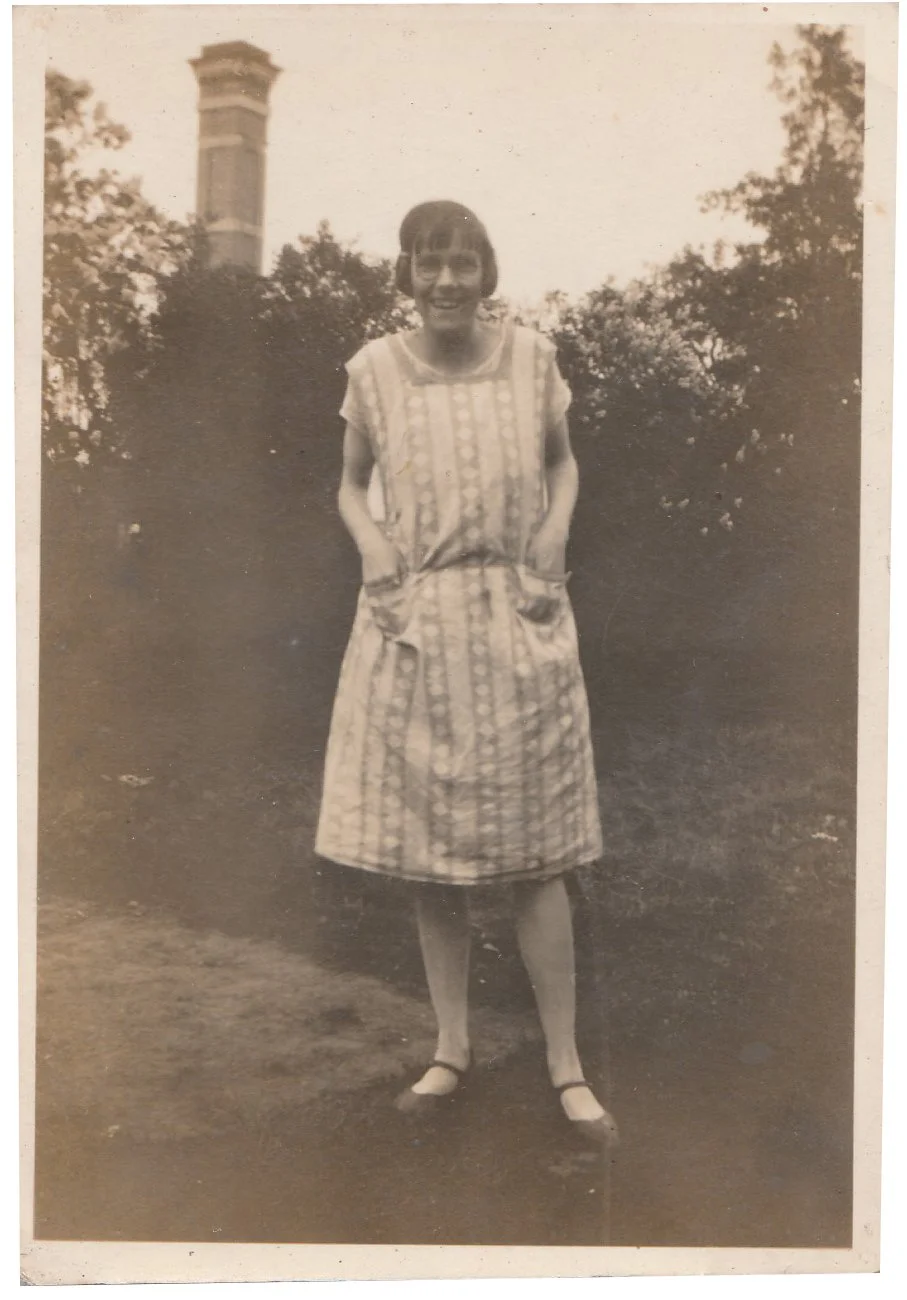


Deborah Ripley, Crawley Down, Sussex 1970. Taken by my mother

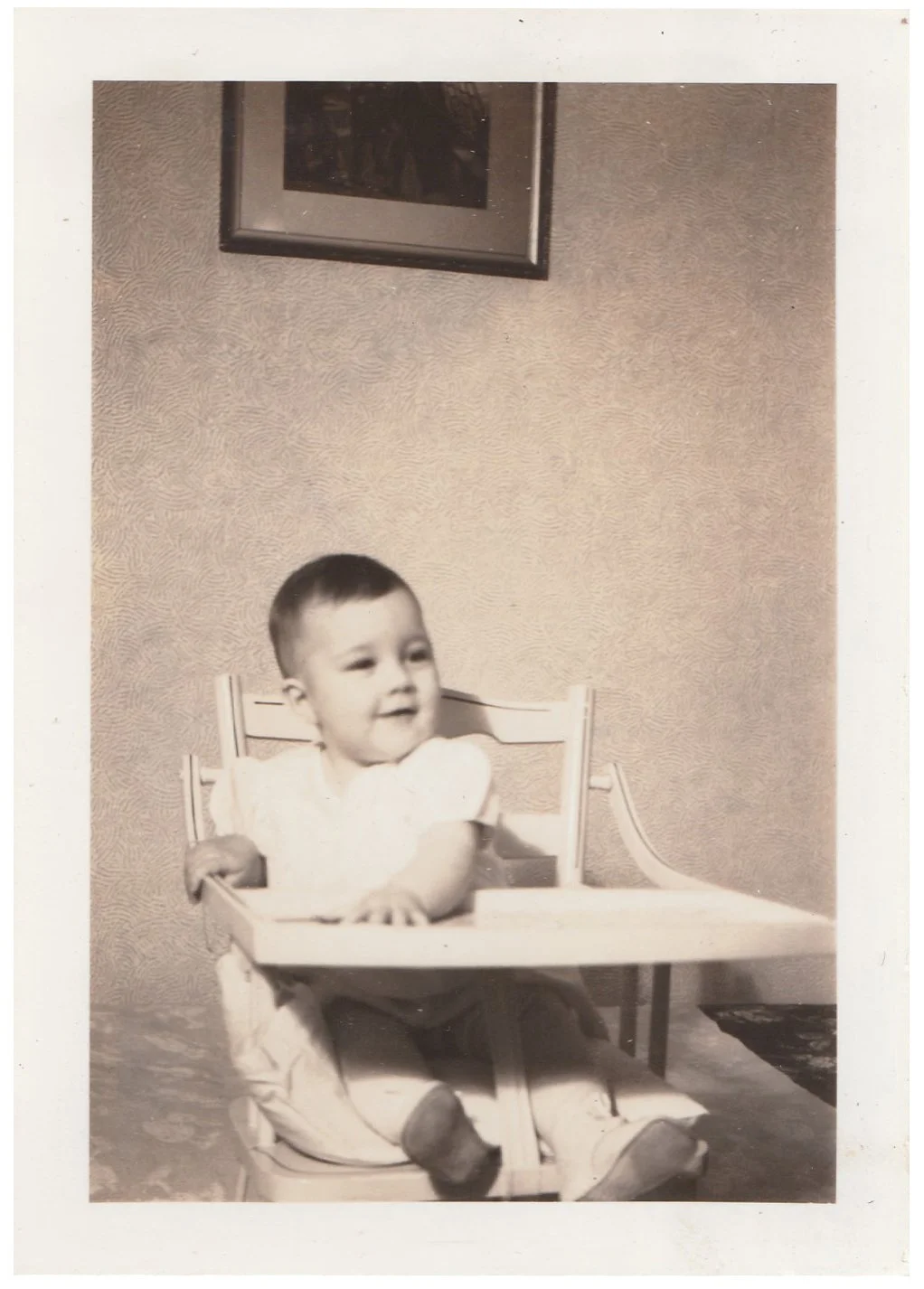
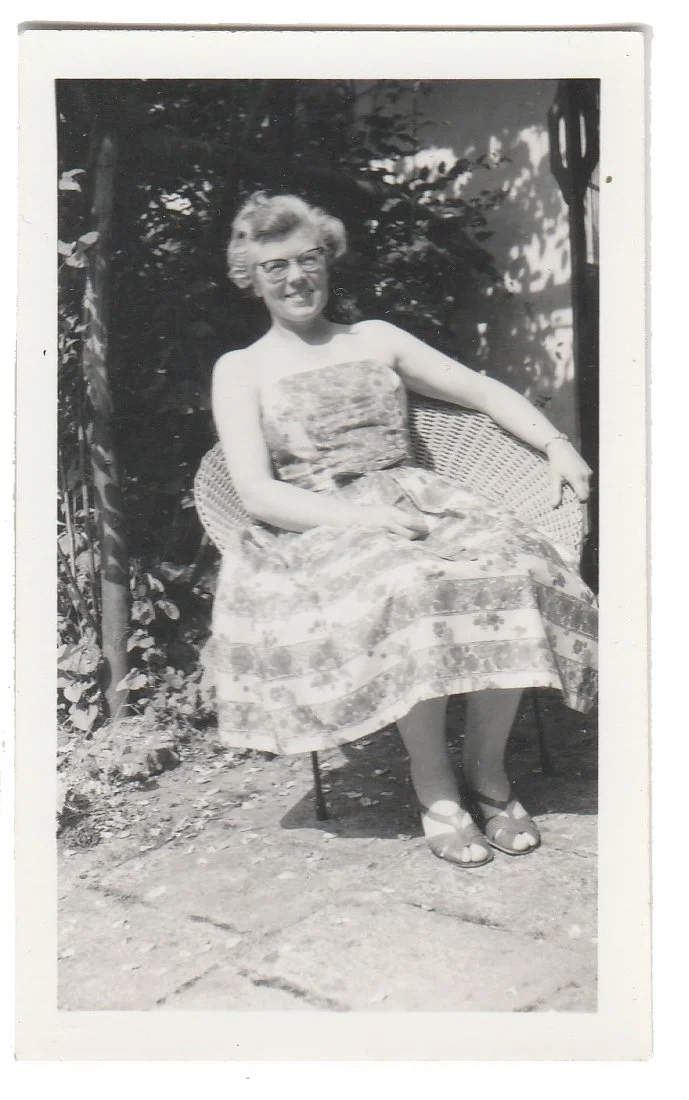

1A. July '55


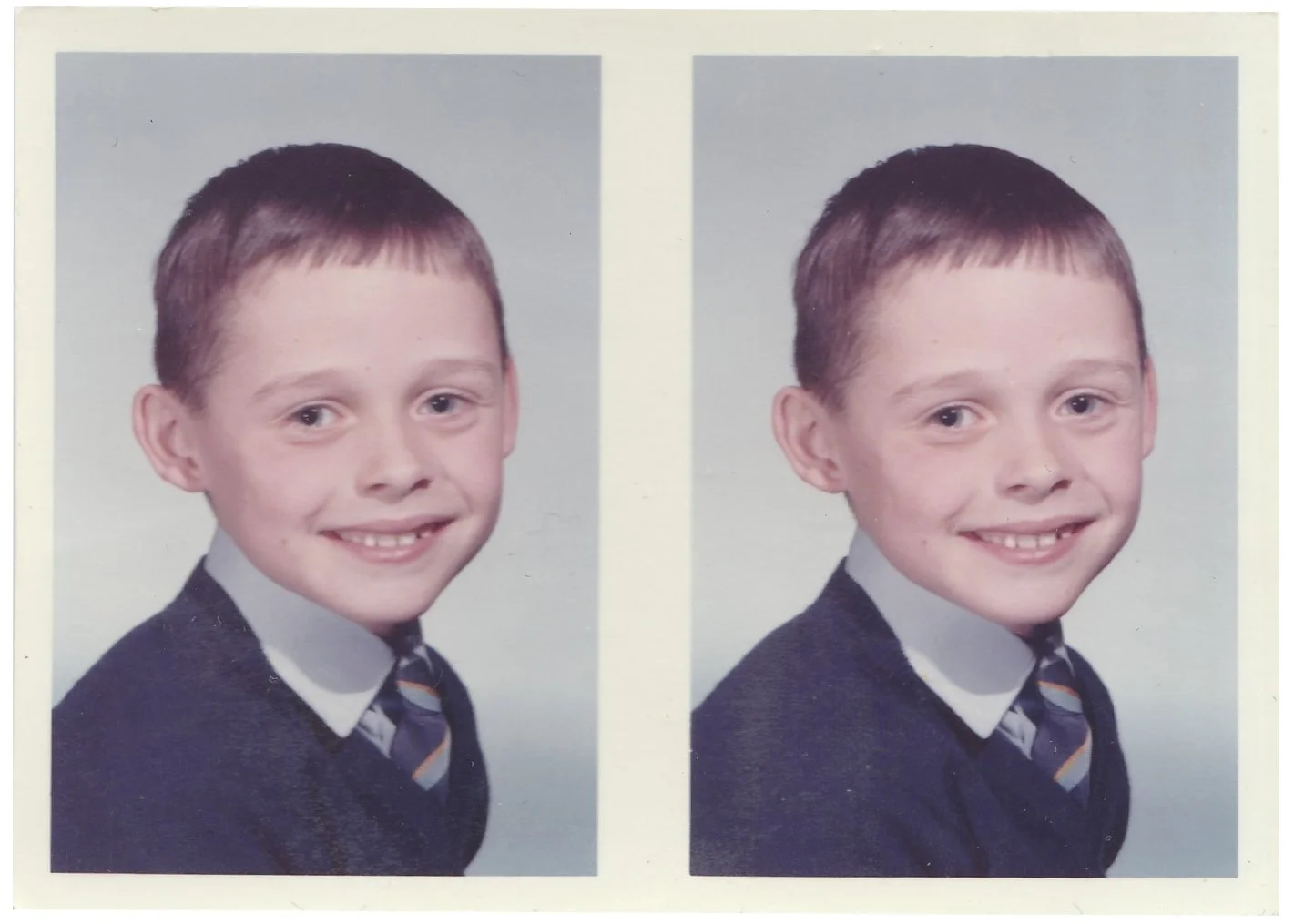
1967


